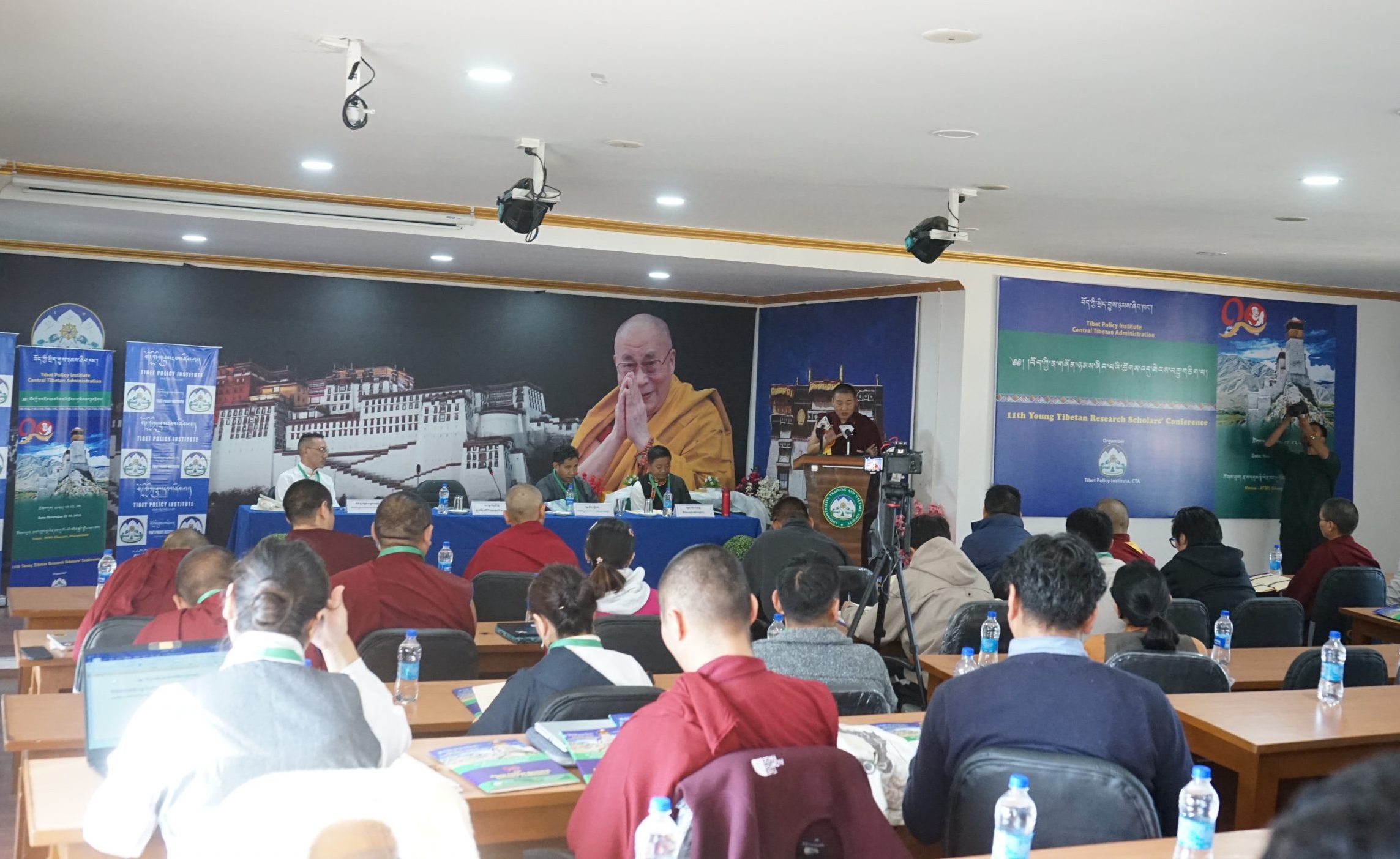
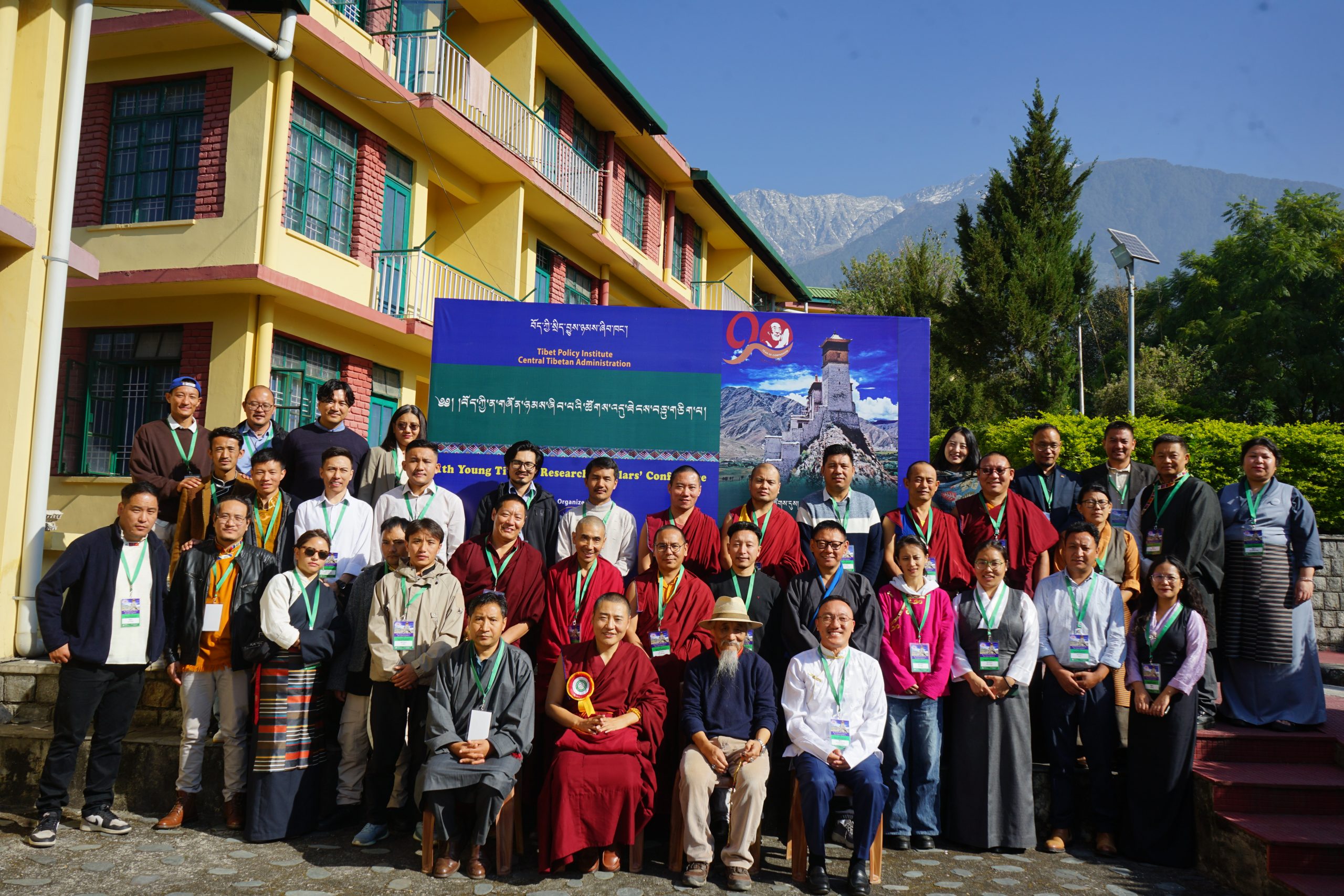
The 11th Young Tibetan Research Scholars Conference, organised by the Tibet Policy Institute (TPI), commenced this morning at the Administrative Training & Welfare Society in Dharamshala, bringing together 26 young Tibetan scholars and academicians from various disciplines.
The inaugural ceremony was held in the presence of Chief Guest Yangten Rinpoche, Secretary of the Gaden Phodrang Office of His Holiness the Dalai Lama; Mr. Karma Choeying, Director of the Tibet Policy Institute and Secretary of the Department of Information and International Relations (DIIR); the foremost Tibetologist Mr. Tashi Tsering Josayma, former Director of Amnye Machen Institute, and Mr. Tempa Gyaltsen Zamlha, Deputy Director of TPI;
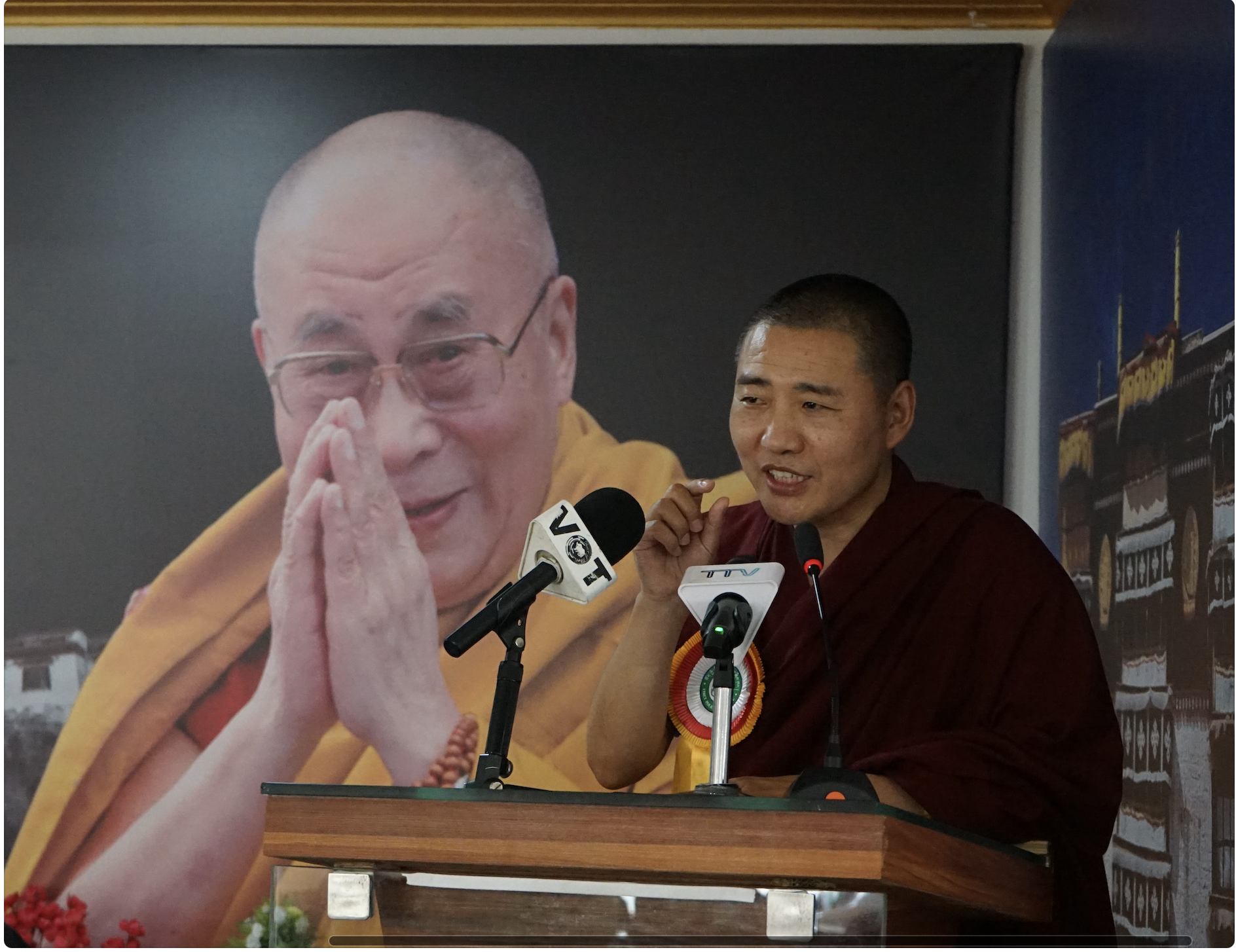
Ceremonial Opening and Welcome Address
The event began with the traditional lighting of the butter lamp by the Chief Guest, Yangten Rinpoche, symbolising the auspicious inauguration of the three-day academic conference.
In his welcome address, Secretary Karma Choeying expressed heartfelt gratitude to all participants and staff for contributing to the success of the 11th edition of the conference. Highlighting the increasing efforts of the Chinese government to undermine Tibetan identity, culture, and language, he stressed the collective responsibility of all Tibetans to safeguard their heritage.
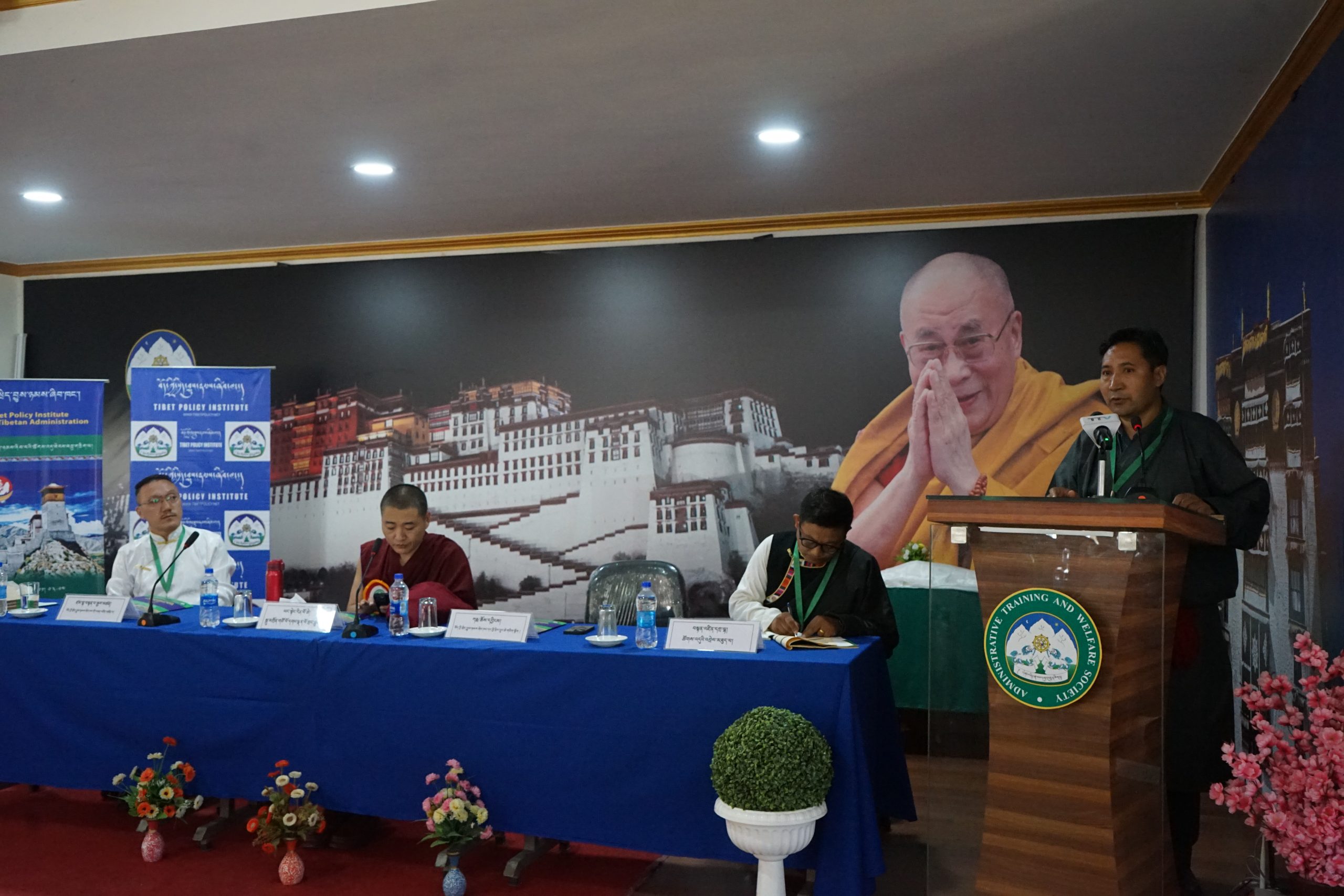
He underlined the importance of research not only on Tibet’s history, culture, and language but also on issues related to the Sino-Tibet conflict, China’s policies, and the preservation of Tibetan national identity. He further encouraged researchers to translate their Tibetan-language research into other languages in order to enhance international outreach, counter China’s narratives, and strengthen global understanding of Tibet.
Secretary Choeying also noted TPI’s continued engagement with scholars from India, Nepal, and Bhutan through annual conferences that foster knowledge-sharing and collaboration. Expressing deep appreciation to the Government and people of India for their unwavering support, he emphasised the importance of raising greater awareness among the Indian public to sustain their solidarity with the Tibetan cause.
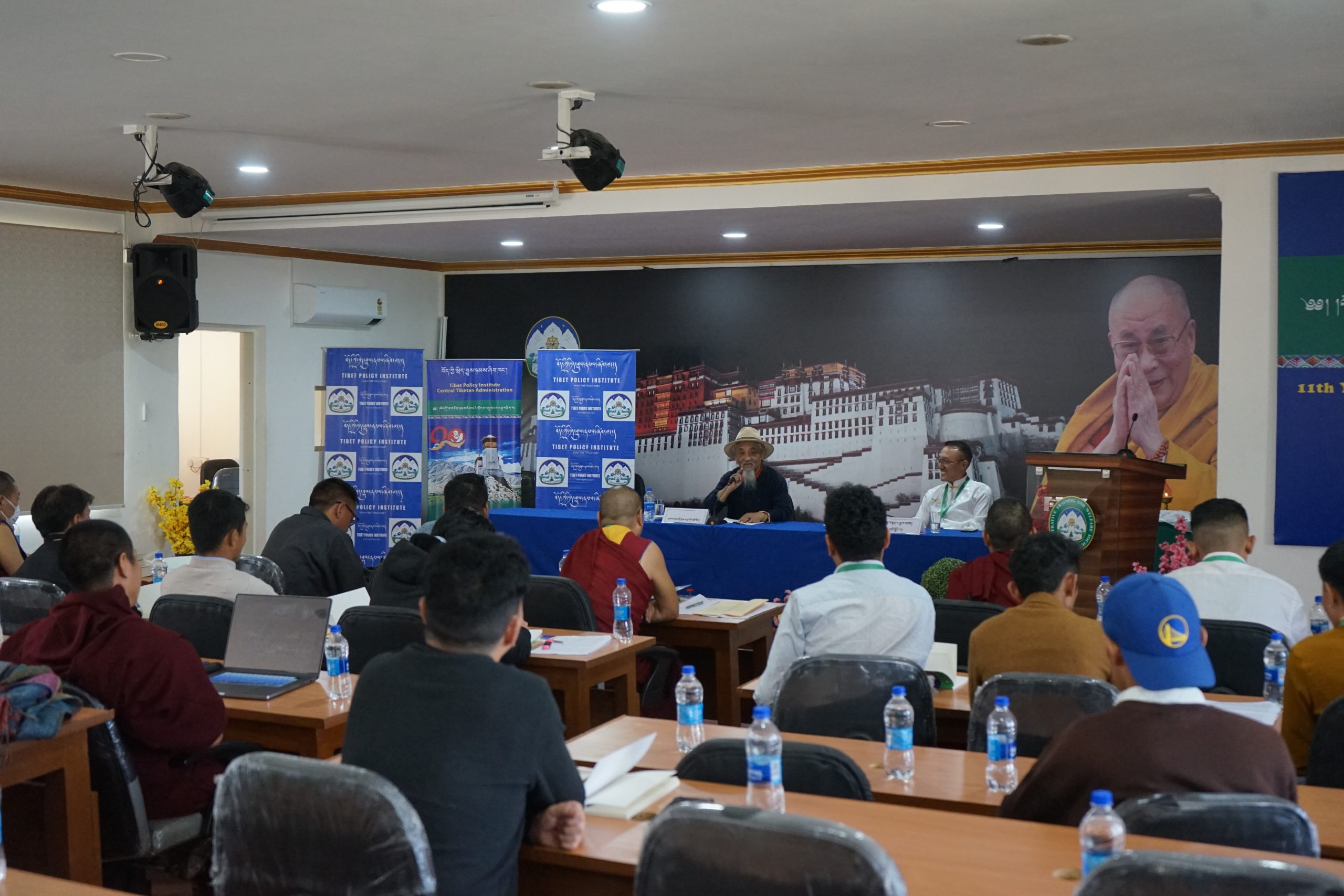
Inaugural Address by Chief Guest Yangten Rinpoche
In his inaugural address, Yangten Rinpoche conveyed sincere appreciation to the organisers and scholars for their academic contributions in fields such as Tibetan history, linguistics, politics, and Buddhism. He thanked the DIIR and TPI leadership, particularly Mr. Karma Choeying, Mr. Tempa Gyaltsen, and the conference coordinator Mr. Tenzin Dalha, for inviting him as Chief Guest.
Rinpoche underscored that the Tibetan language is the foundation of Tibetan identity and culture, cautioning that while many Tibetans speak the language fluently, literacy in reading and writing is declining—unlike English, where students tend to develop balanced proficiency. He urged scholars to strengthen their command of Tibetan grammar and writing to ensure the language’s long-term survival.
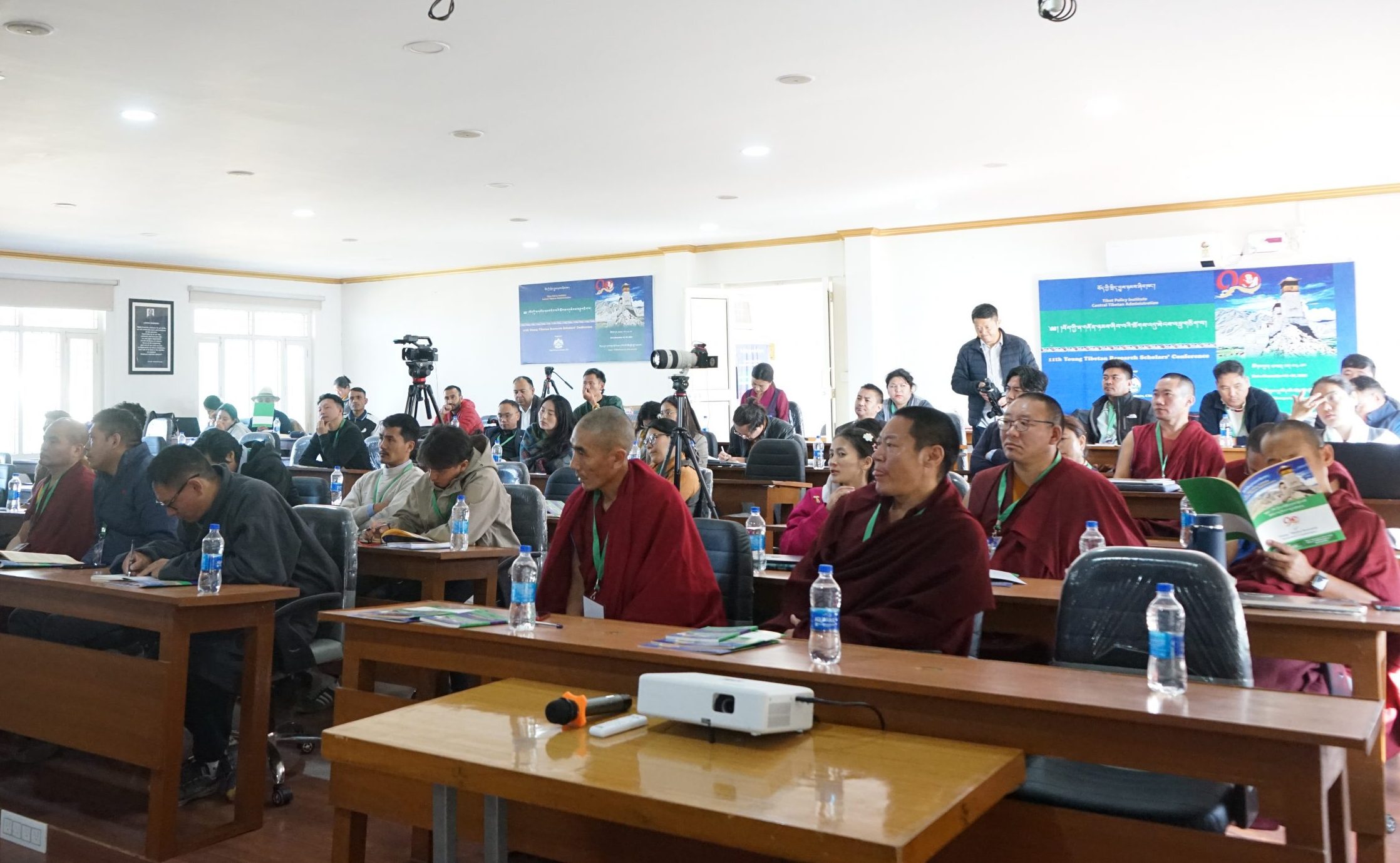
Reflecting on His Holiness the Dalai Lama’s advice, he emphasised the need for Tibetans to develop expertise and specialization in specific fields, particularly in major Buddhist philosophical texts, to produce high-quality research.
Rinpoche reminded scholars that academic research must adhere to international standards, be rooted in facts, impartiality, and field-based verification. He advised researchers to rely on authentic sources, conduct interviews, and consult experts to enhance credibility and depth in their work. He encouraged young scholars to publish more research on Tibetan history, language, and policies so that the global community gains a deeper understanding of Tibet’s heritage and identity.
Keynote Address Session
The inaugural session was quickly followed by a keynote address by one of the foremost Tibetan historians Tashi Tsering Josayma. The two day conference will feature ten thematic presentations and discussions by emerging Tibetan researchers, contributing to academic discourse and strengthening Tibetan scholarship in exile.
Information partly sourced from Tibet.net