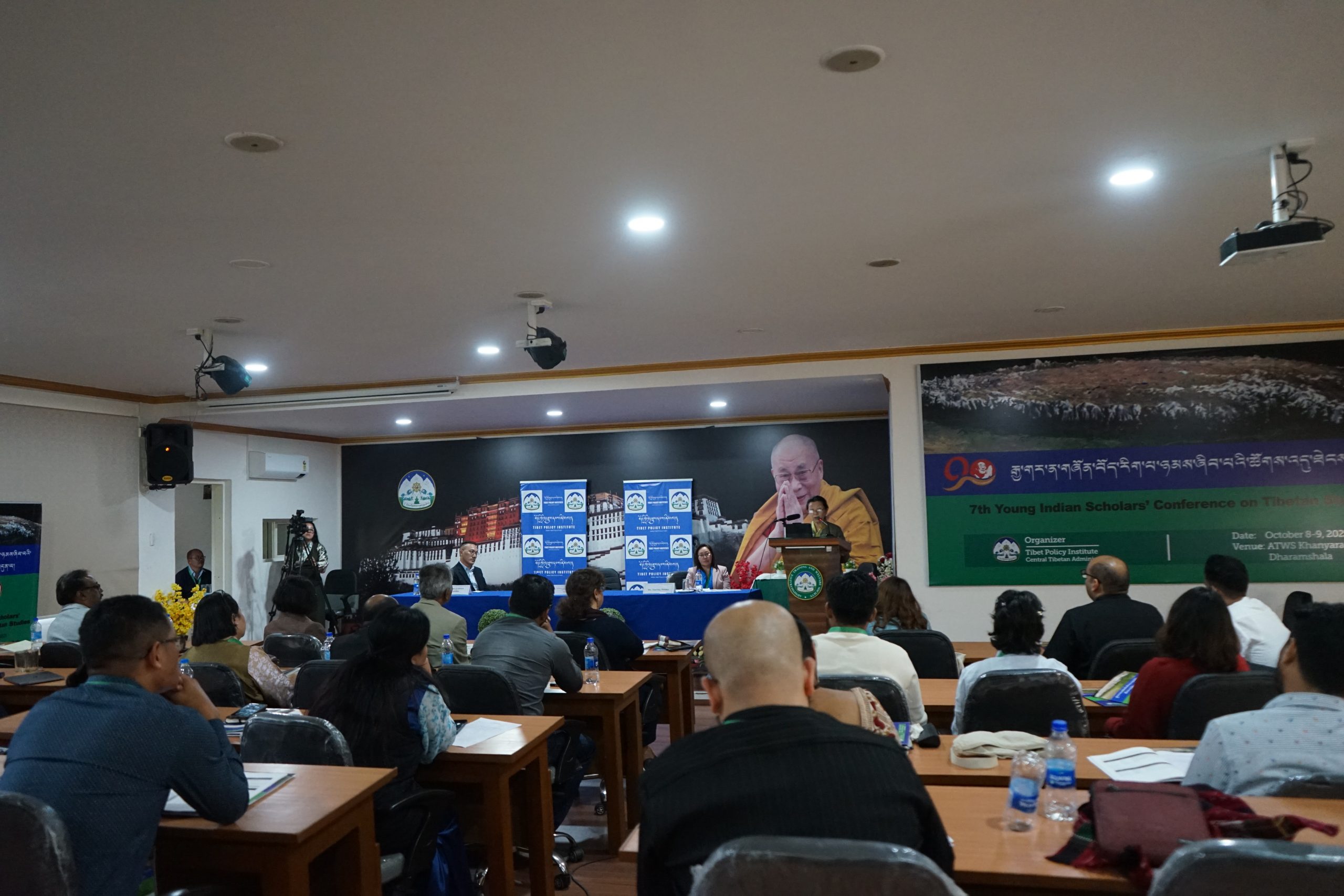
 The 7th Young Indian Scholars’ Conference on Tibetan Studies, organized by the Tibet Policy Institute (TPI) in Dharamshala, successfully concluded on October 9, 2025, with Ms Dolma Tsering Teykhang, the Deputy Speaker of the Tibetan Parliament-in-Exile as the Chief Guest. The Deputy Speaker in her speech emphasized the crucial role of academic research, truth-telling, and global solidarity in preserving Tibet’s identity and advocating for justice. She also commended the Tibet Policy Institute for creating a meaningful platform for intellectual engagement at a time when “the world is in such chaos” and “those in power manipulate the truth according to their will.” And urged the scholars not only to pursue rigorous research but also to have “the courage to stand by what they have found.”
Tempa Gyaltsen Zamlha, th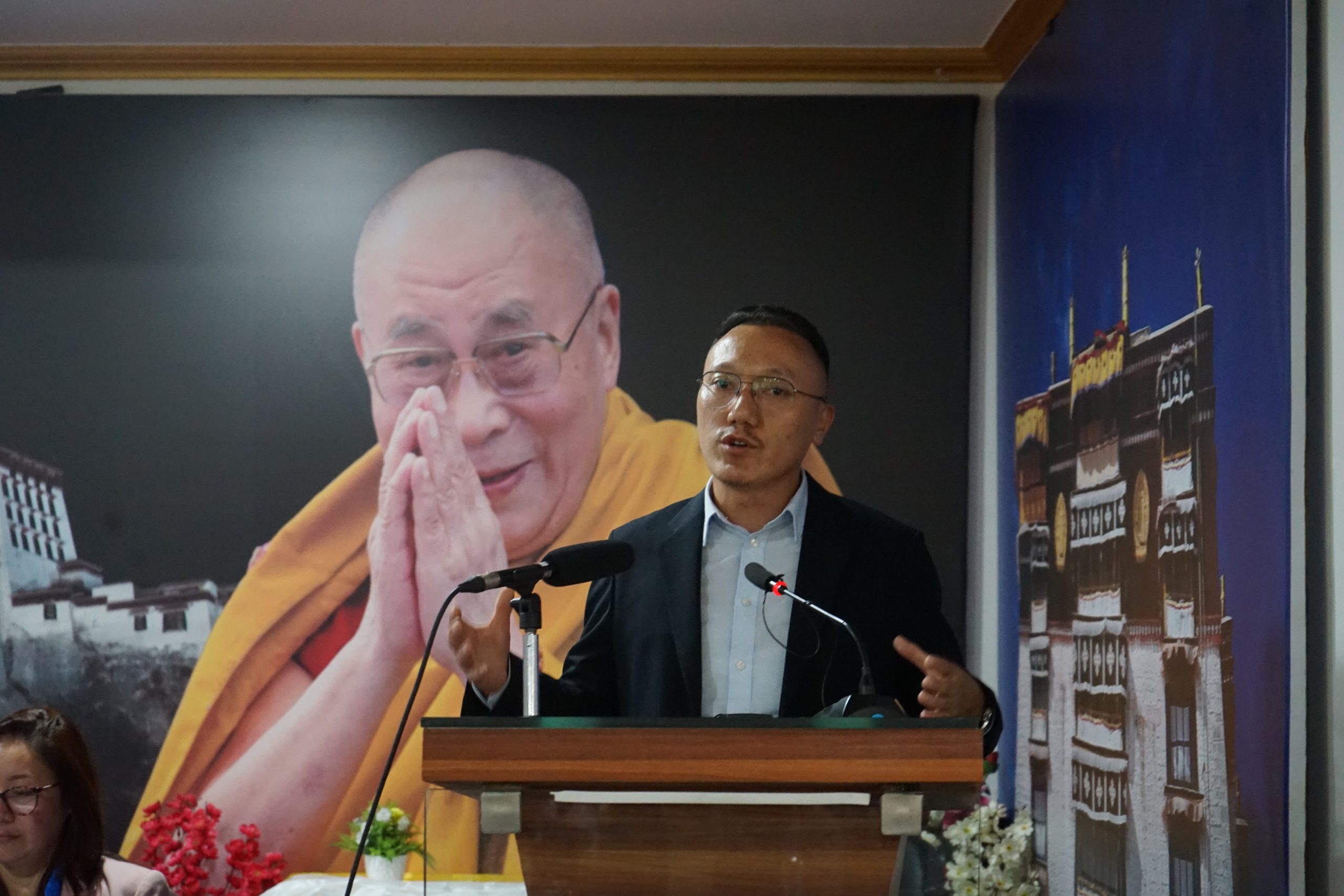 e Deputy Director of Tibet Policy Institute, highlighted the organizers delight in the last two days of scholarly discussions on diverse topics related the Tibet studies, and that TPI happiness in creating such a plateform for Indian scholars to present their papers. He also emphasized on the importance of Tibetan studies in India for a better understanding of India-Tibet historical relations and China’s political strategies in Tibet.
The closing session ended with vote of thanks by the conference coordinator Dr. Tsering Dolma.
The two day conference brought together around 30 Indian scholars on Tibetan studies, with over 23 academic papers presented by 26 young scholars in more than eight different panel discussions. The presence of so many young Indian scholars reflected the growing academic depth, interdisciplinarity, and contemporary relevance of Tibetan studies in India.
Through 23 distinct presentations, the conference explored Tibet’s geopolitical, ecological, cultural, and intellectual legacies across the Himalayas, positioning it as both a historical crossroads and a living, dynamic subject of scholarly inquiry.
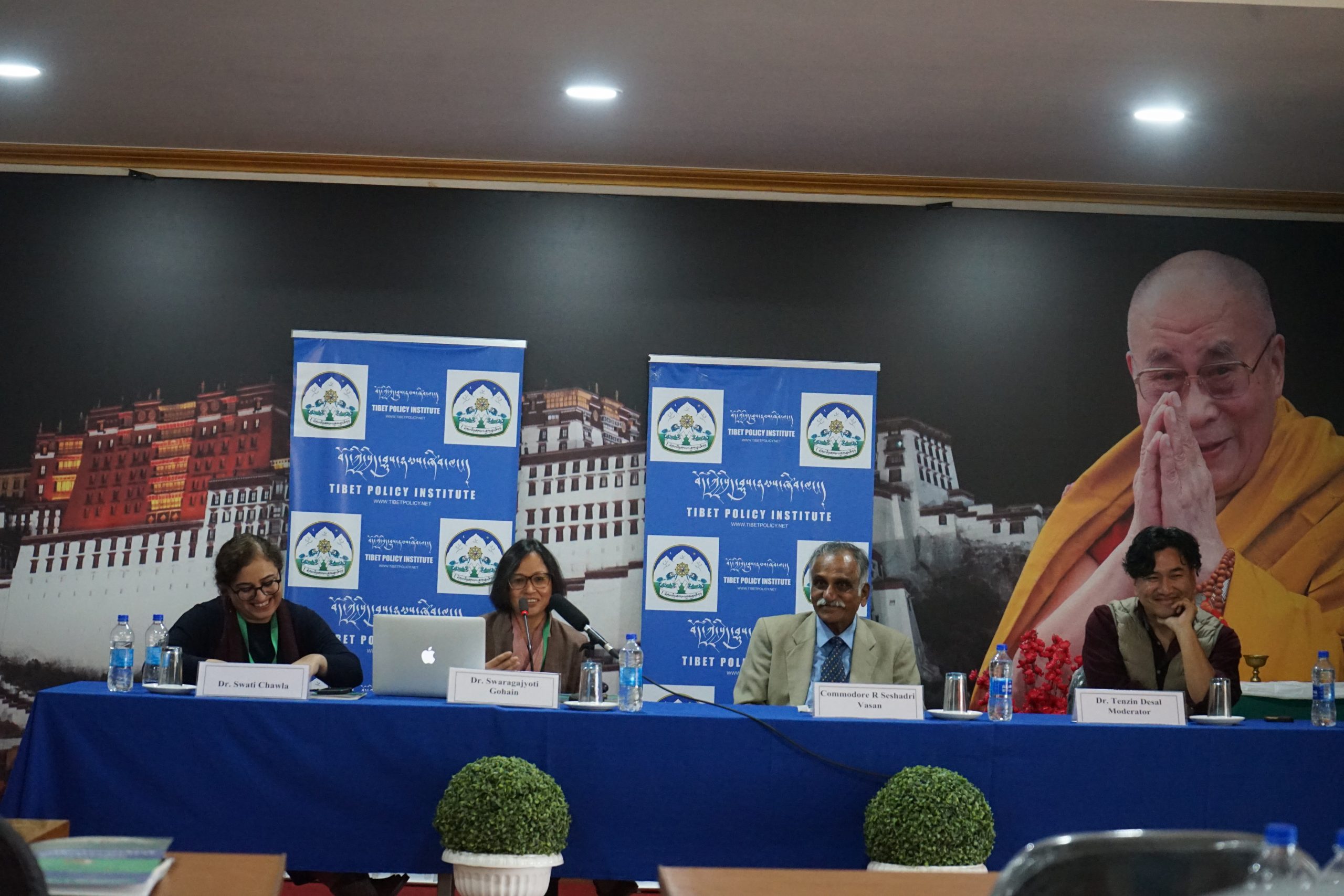
Session I: Foreign Policy, Diplomacy & Geopolitics
Opening the research panels, Prosper Malangmei presented “The Tibet Factor in India–China Relations: Historical Legacies and Diplomatic Tensions”. He traced Tibet’s role as a cultural and political “fault line” in Sino-Indian relations, from the Shimla Convention of 1914 to the 1950 PLA occupation of Tibet and India’s subsequent asylum to His Holiness the Dalai Lama.
Malangmei argued that for India, Tibet represented both a lost buffer zone and a symbolic counter-narrative to China’s expansionism.
He examined India’s delicate balancing act—recognizing Chinese sovereignty over Tibet while hosting Tibetan refugees and the Dalai Lama’s government-in-exile. Referencing the Seventeen-Point Agreement (1951) and China’s White Papers on Tibet, he noted that India’s strategic ambiguity was becoming increasingly “less viable,” as seen in flashpoints such as Doklam (2017) and Galwan (2020). Malangmei concluded that Tibet remains “culturally strategic and symbolically vital”—warning that a zero-sum approach would only deepen mistrust, whereas “peace demands cultural and ecological confidence-building.”
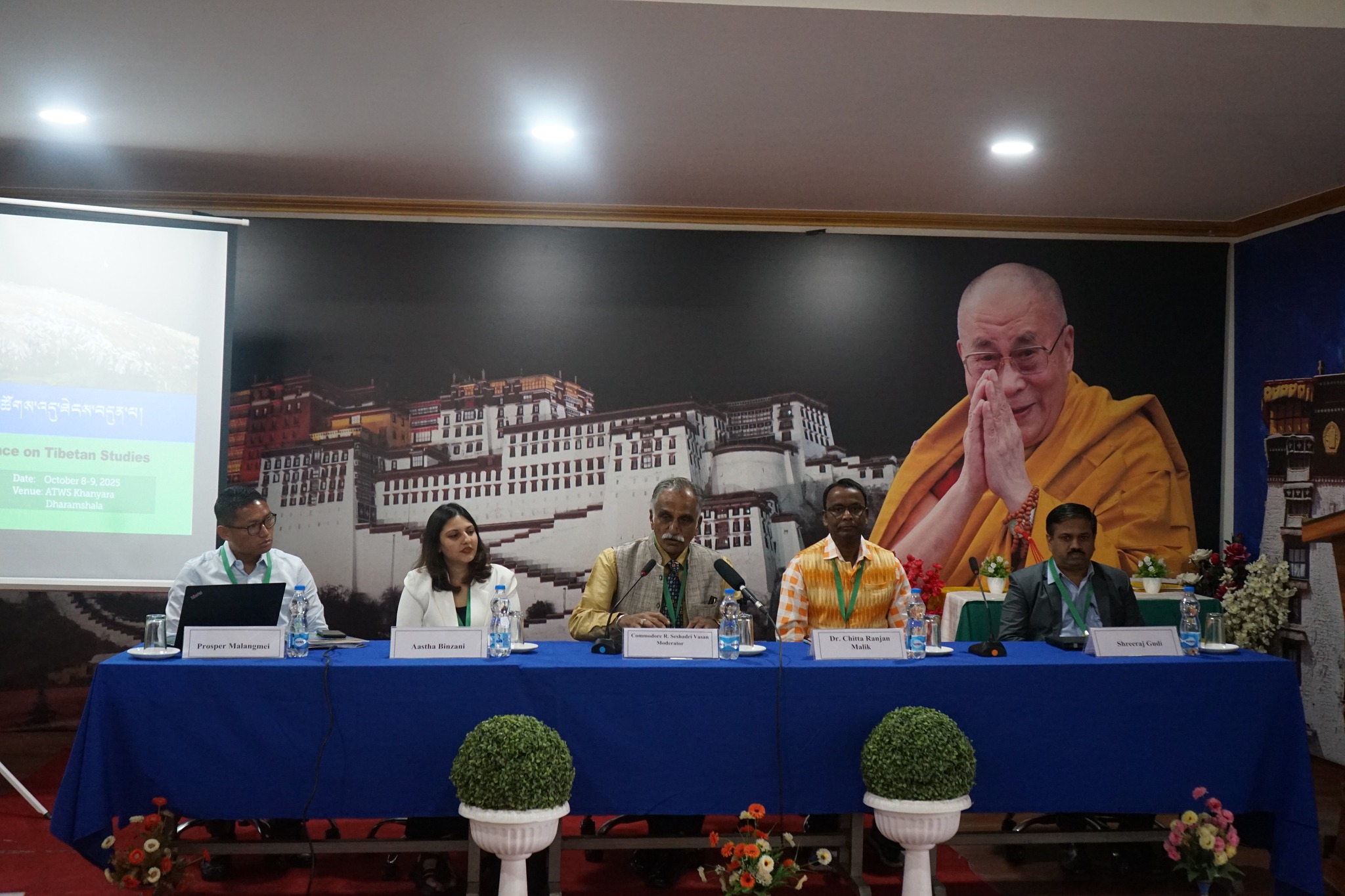 Aastha Binzani’s paper, “Securitization and Silence: Tibetan Resistance under India’s Geopolitical Constraints,” examined how Indian state policy since the 1950s has simultaneously offered refuge and imposed silence. Covering three key periods—1947–62, 1960–80s, and post-1980s—she analyzed the coexistence of hospitality with legal ambiguity, exploring how Tibetans navigate a life of “autonomy within containment.” Her discussion included episodes such as India’s pre-emptive compliance with Chinese sensitivities, official silence during Premier Li Peng’s visit, and restricted protests during the 2008 Olympic torch relay. Binzani concluded that India’s securitization of the Tibetan question produces a “contradictory coexistence of compassion and compliance,” resulting in a politics of quiet resistance.
Expanding the strategic lens, Dr. Chitta Ranjan Malik presented “India and Tibet: Geopolitical Complexities, Diplomatic Imperatives, and Strategic Futures.” He emphasized Tibet’s role as a “civilizational hinge” of India’s northern frontier—geographically critical, spiritually resonant, and ecologically indispensable. Dr. Malik examined the Himalayan Anthropocene, where Tibet’s rivers—the “Third Pole”—shape India’s riverine security, and warned that dams, diversions, and data opacity threaten ecological stability. His paper proposed a framework of “ecological diplomacy” and “early-warning cooperation” as essential tools of Indo-Tibetan engagement. He also assessed the limits of border trade, supply-chain de-risking, and multilateral diplomacy, calling for renewed cooperation within frameworks such as the Quad and European partnerships on the Tibet question.
Shreeraj Gudi’s ethnographic study, “Echoes of the Homeland: Tibetan Identity and Cultural Memory in Mundgod’s Elder Refugee Community,” captured oral histories from the Doeguling Settlement in Karnataka. Through narratives of first-generation refugees who fled post-1959 Tibet, Gudi illuminated how memory, religion, and cultural rituals have sustained a sense of belonging despite decades of exile.
 Session II: Trade, Routes & Socio-Cultural Exchange
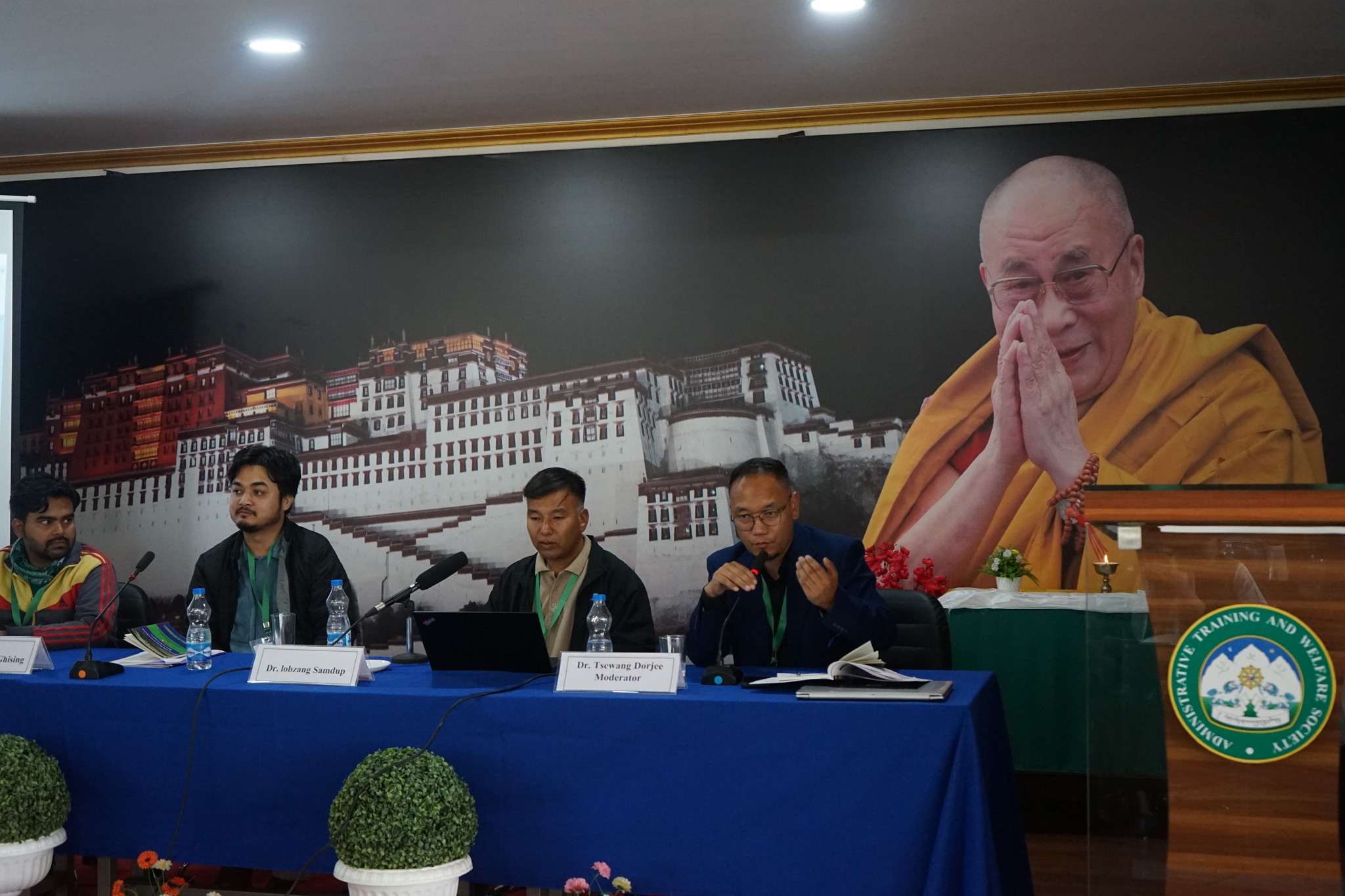
Dr. Raj Kumar Singh, in “From Pilgrimage Routes to Political Borders: Monasteries and the Transformation of Indo-Tibetan Trade Networks,” traced the transition of monasteries from hubs of spiritual and moral authority along the Buddhist Silk Road to marginalized institutions post-Partition and Chinese occupation. He argued that monasteries once integrated commerce, ethics, and diplomacy—roles disrupted by modern borders but partially reconstituted through exile institutions in India.
Suditya Kant Ghising’s presentation on “The Merchants of the Eastern Himalayas: The Lhasa Newars and Indo-Tibetan Economic Interactions in Kalimpong” charted Kalimpong’s transformation from a trans-Himalayan trading hub to a marginal outpost. He described how Newar traders linked Kathmandu Valley, Kalimpong, and Lhasa through industries like weaving, metalwork, and wool processing. Industrialization, first under colonialism and later India’s modernization, eroded these cottage economies—ending centuries of Indo-Tibetan trade vibrancy.
Dr. Lobzang Samdup’s historical paper, “Socio-Cultural Ties between Western Tibet and the Western Himalayan Region,” explored the early Ngari–Ladakh–Zanskar continuum. Tracing dynastic roots from Skit Lde Nima Gon to the Guge Kingdom, he showed how Buddhism, folk traditions, and linguistic unity shaped a shared heritage now endangered by linguistic decline and modernization.
 Session III: Demography and Population Change
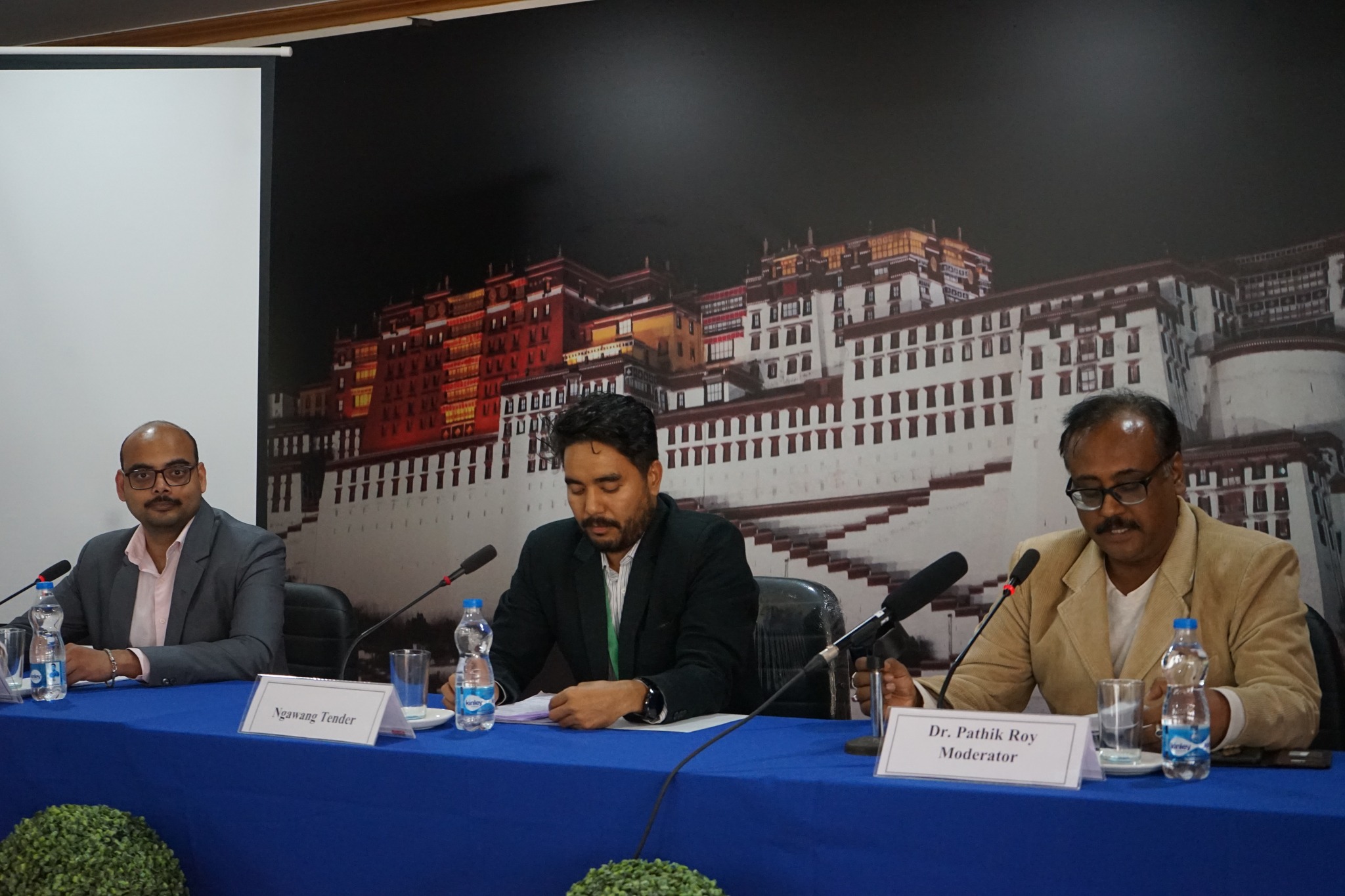
Dr. Sameer Hasan examined literature as resistance in “Migration, Memory and Identity in Tibetan Literature through Copper Mountain and Lend Me Your Wings.” He argued that Tibetan writing acts as political engagement against displacement and erasure, urging that Tibetan narratives be integrated into global postcolonial and diasporic studies to avoid the “normalization of absence.”
Ngawang Tender’s demographic research, “Understanding Migration Trends of Tibetan Refugees in South India,” provided valuable statistical and historical insights into Tibetan resettlement patterns, especially in Karnataka. He traced migration waves from 1959 to the 1990s, highlighting transnational resettlements in Switzerland, Canada, and the USA, and how population movements shaped community sustainability.
 Session IV: Medicine, Well-being & Traditional Knowledge
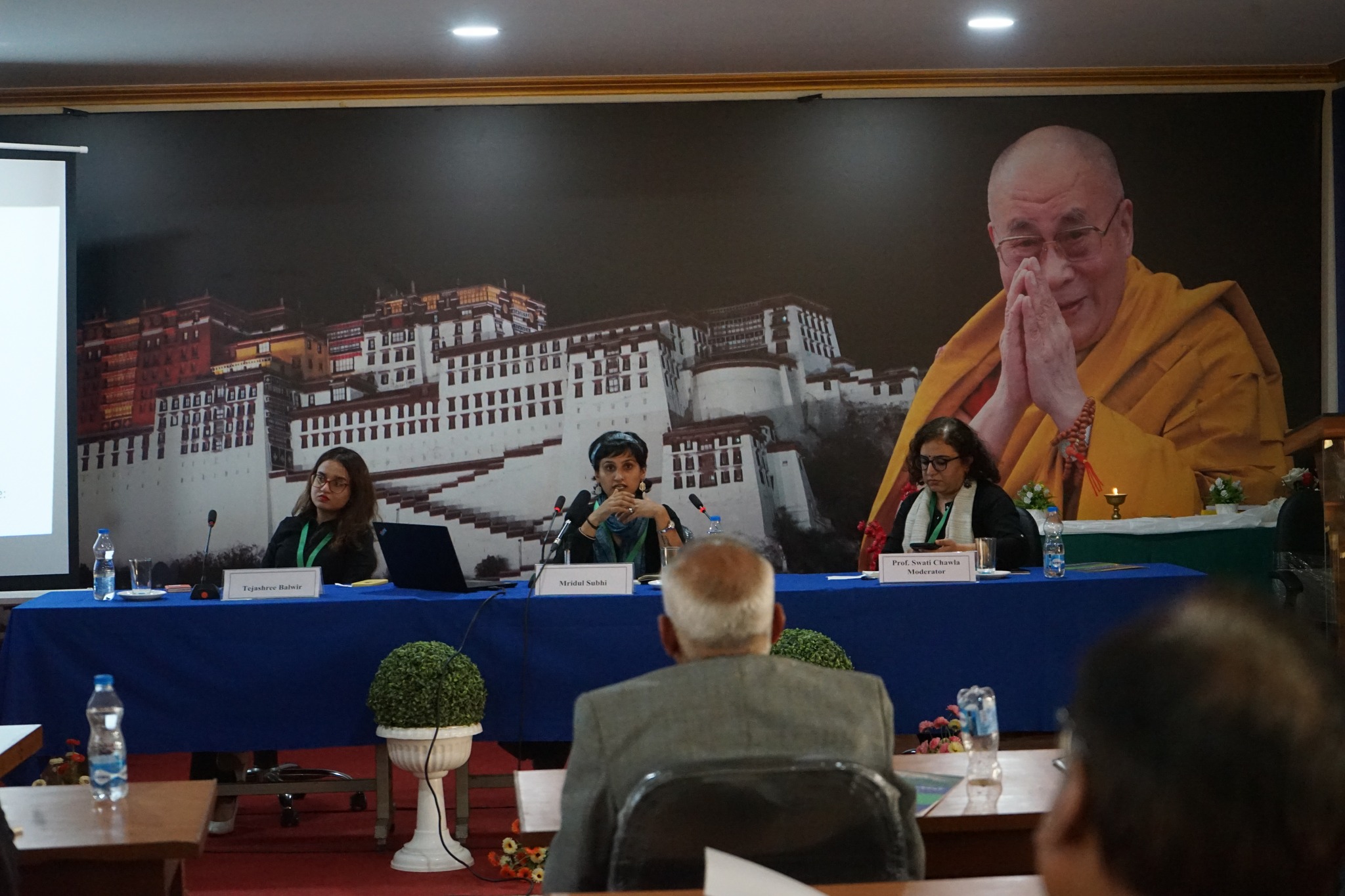
On Indo-Tibetan medical exchanges, Tejashree Balwir presented “Indo-Tibetan Relations through the Prism of Traditional Tibetan Medicine.” She explored the shared theoretical lineage between Ayurveda and Sowa Rigpa, particularly the concepts of the three doshas (vata, pitta, kapha) mirrored in Tibetan medical thought, emphasizing Tibet’s unique adaptation of Indic medical and Buddhist traditions.
Mridul Surbhi’s paper, “Men-Tse-Khang Pills, Himalayan Herbs, and the Potential of the Sowa Rigpa Medical System,” combined ethnography and policy analysis. She detailed the evolution of the Sowa Rigpa industry, valued at USD 289 million, as a field of medico-cultural preservation and identity politics. Through multi-sited fieldwork in Kullu, Spiti, and Kinnaur, she examined tensions between industrialization, wellness tourism, and the preservation of traditional Amchi knowledge systems.
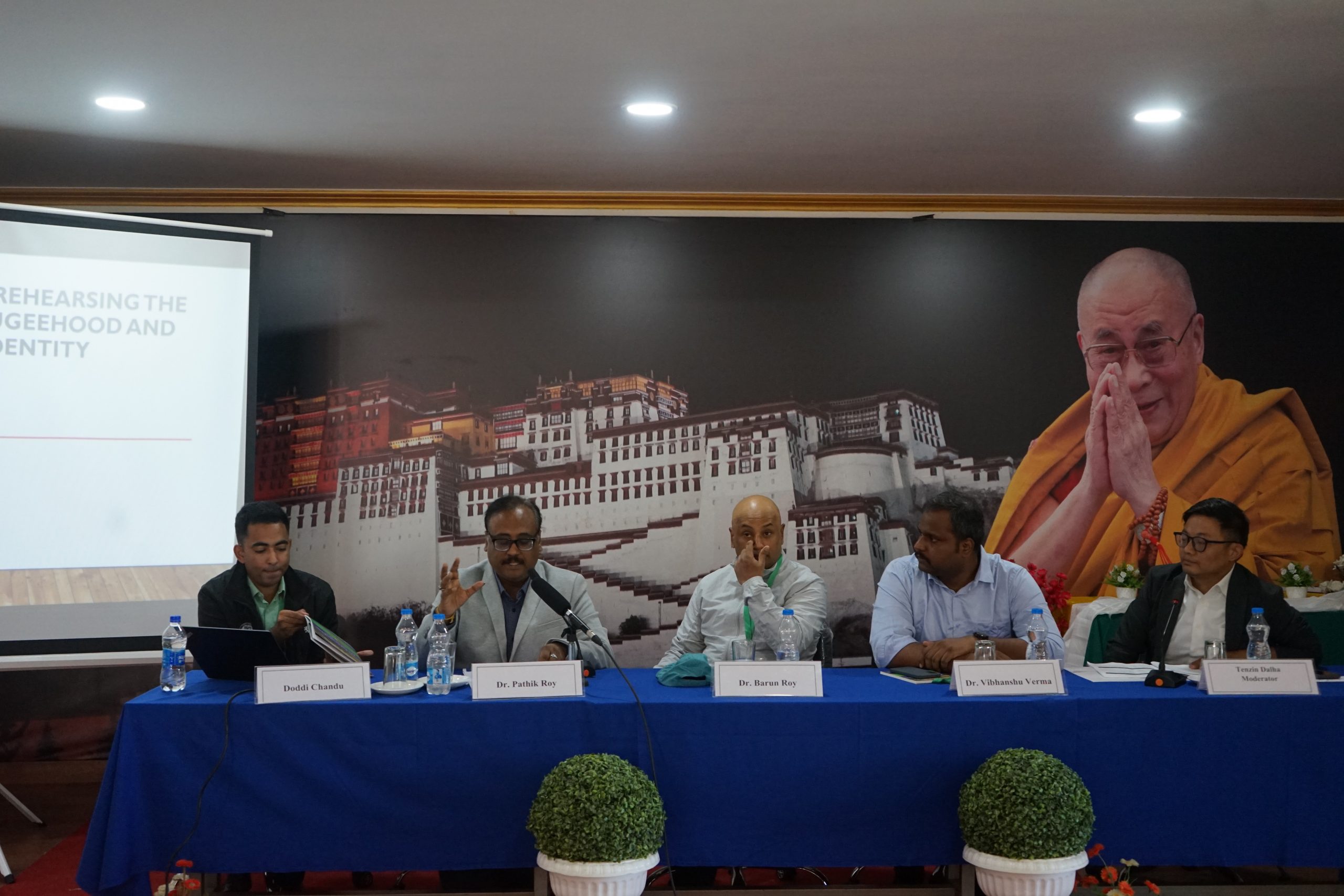 Session V: Media, Representation and Identity.
Doddi Chandu’s presentation, “China’s Manipulation of Tibet’s Identity: A Study of International Journal Articles,” exposed how Beijing uses ecological rhetoric to legitimize control over Tibet, branding hydropower and resource extraction as “green development.” He detailed how state-funded research and Confucius Institutes steer global academic narratives, excluding dissenting topics like human rights or self-determination.
Dr. Pathik Roy analyzed memory politics in “Postmemory and Rehearsing the State: Tibetan Refugeehood and the Strategy of Identity Preservation.” Drawing on Marianne Hirsch’s postmemory concept, he demonstrated how younger generations of Tibetan exiles preserve sovereignty symbolically—through ritual, storytelling, and community life—thus sustaining Tibet’s global cultural presence despite statelessness.
Dr. Barun Roy, in “An Engagement in Tibetan Media History through the Tibet Mirror,” offered a pioneering study of Gergan Dorje Tharchin’s Tibet Mirror (1925–1963), the first Tibetan newspaper. He highlighted its contributions to egalitarian debate, the introduction of global knowledge, and the birth of Tibetan modern journalism. Dr. Vibhanshu Verma’s paper, “Digital Identity and Indo–Tibetan Relations: The Tibetan Diaspora in India as a Site of Stateless Digital Nationalism,” examined how exiled Tibetans use online spaces to assert political identity and continuity with their homeland, crafting a “digital sovereignty without territory.”
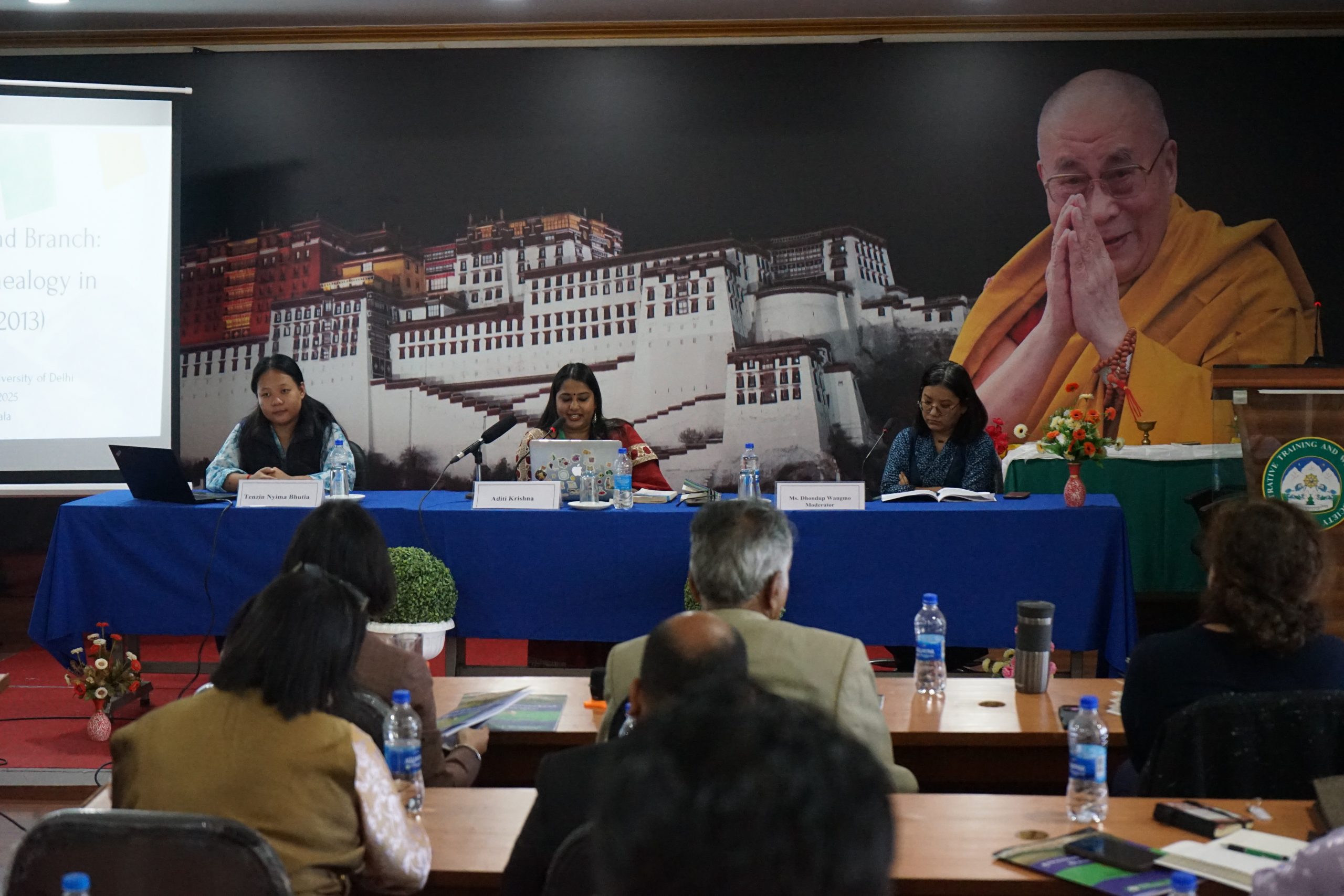 Session VI: Religion, Symbolism & Cultural Heritage.
Tenzin Nyima Bhutia’s paper reframed Sarat Chandra Das—British India’s famed “spy” in Tibet—as a “cultural ethnographer”. His research revealed how Das’s meticulous records of rituals such as Cham, Phurpa, and Losar continue to inform Buddhist practices in Sikkim and Kalimpong, positioning him as a “custodian of culture under cloak.” Aditi Krishna explored “Narratives of Care” in Tibetan women’s writing, reading A Home in Tibet (2013) and Ama Bhumo as Root and Branch through feminist ethics, where caregiving becomes an act of resistance and cultural preservation.
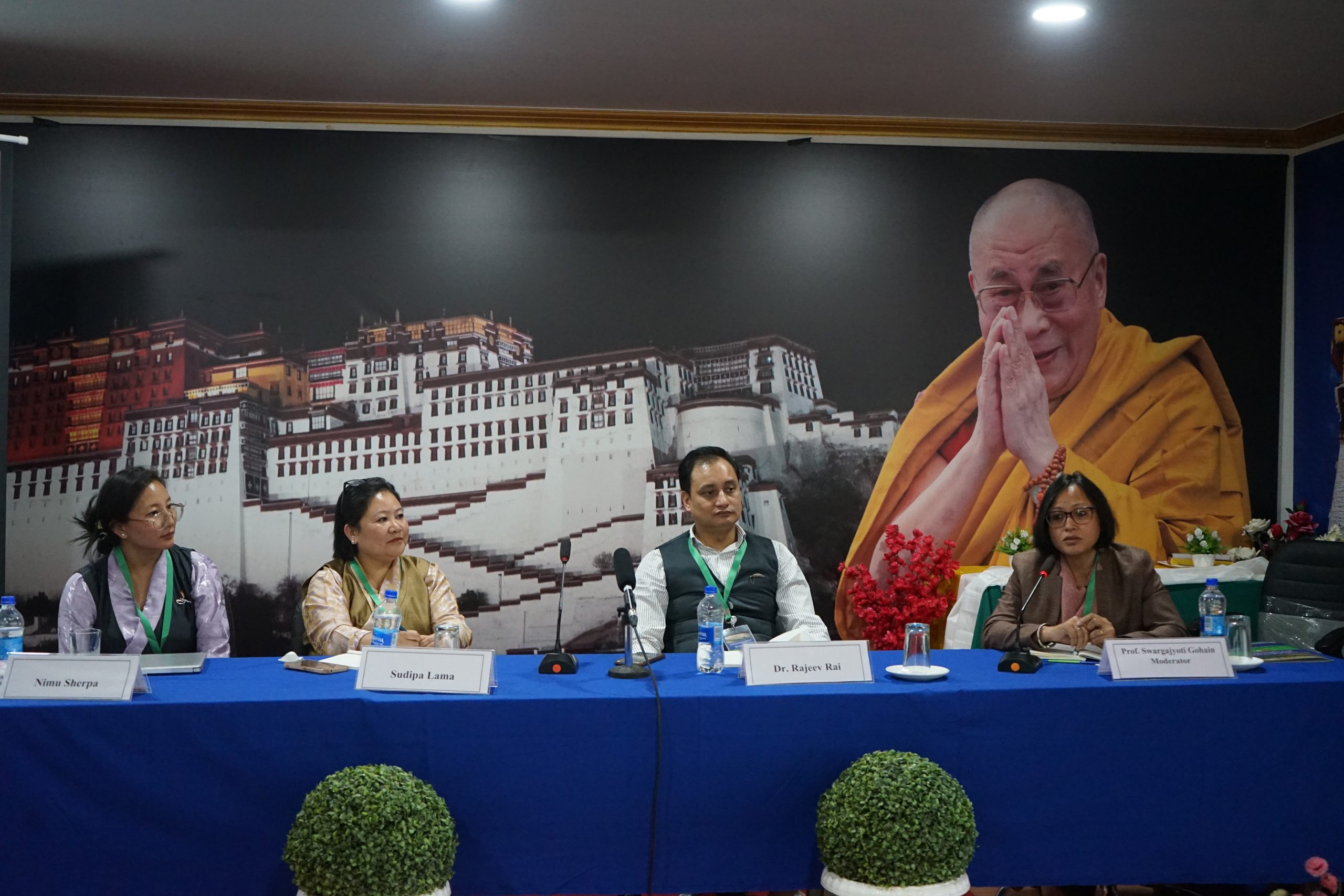 Session VII: Identity, Memory & Exile
In “Recentering Exile: Postmemory and Resistance from Darjeeling,” Nimu Sherpa analyzed Darjeeling’s historical trade with Tibet and its enduring emotional geography—showing how exile memory in the town remains vibrant and creative even without direct homeland ties. Sudipa Lama, in “Cartographies of Loss: Mapping the Forgotten Tibet through Exile Monasteries in India,” discussed how monasteries such as Namdroling in Bylakuppe serve as repositories of religion, language, and identity—transforming physical loss into spiritual continuity. Dr. Rajeev Rai’s comparative paper on “Modern State Formation of Sikkim and Tibet” juxtaposed British colonialism and Chinese occupation, identifying structural parallels of domination. He argued that Beijing’s narrative of “peaceful liberation” mirrors imperial logic and undermines Tibet’s traditional Cho-yon (priest-patron) system.
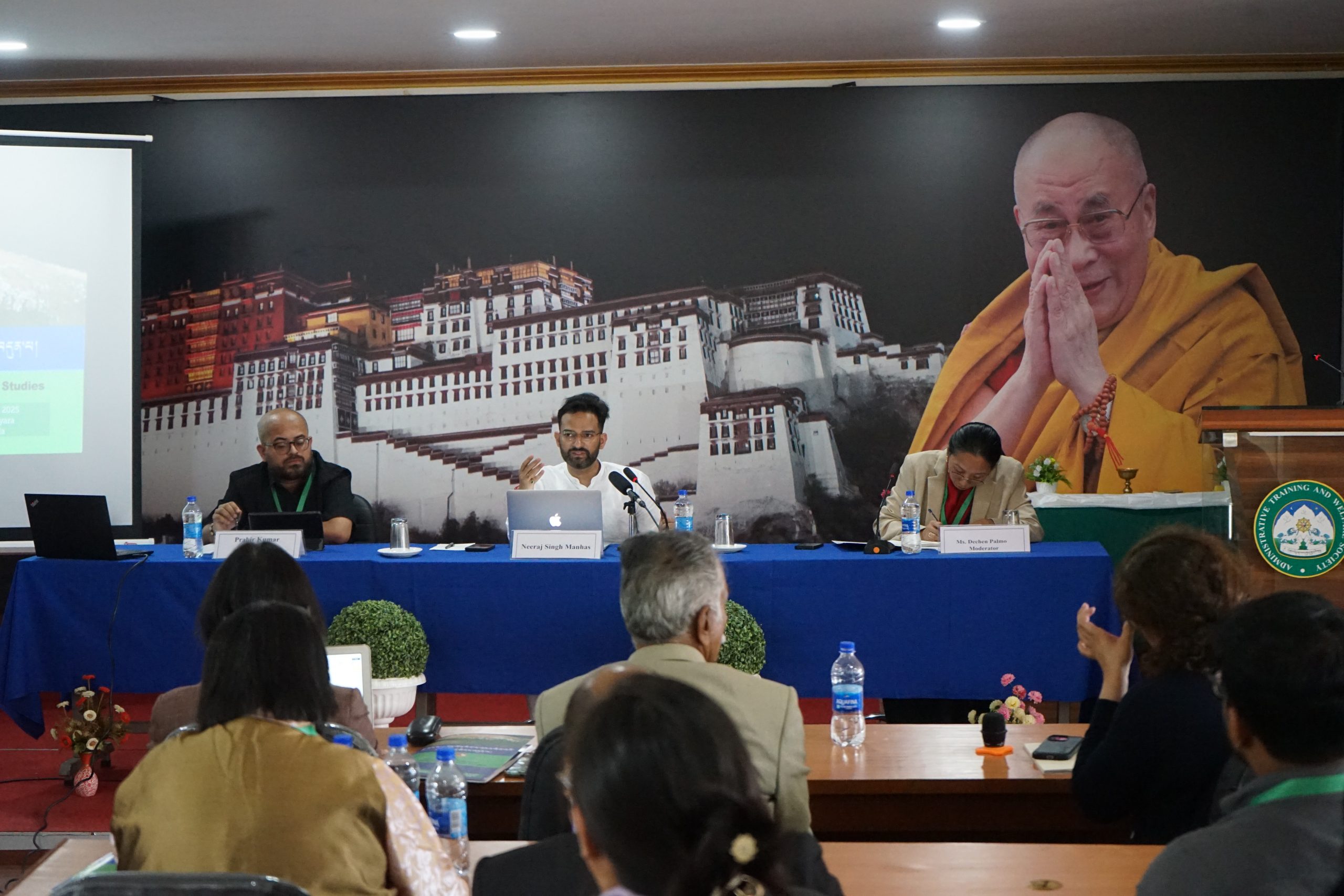 Session VIII: Environment, Resources & Strategic Futures
Concluding the final research session, Neeraj Singh Manhas and Prabir Kumar Talukdar focused on the environment and state formation. Manhas highlighted the non-traditional security threats posed by China’s mining and hydropower surge on the Tibetan Plateau, while Talukdar’s “From Mandala to Modern State” traced Tibet’s shift from sacred, decentralized governance to centralized rule—underscoring the profound political consequences of that transformation.
Conclusion: A Living Discourse on Tibet
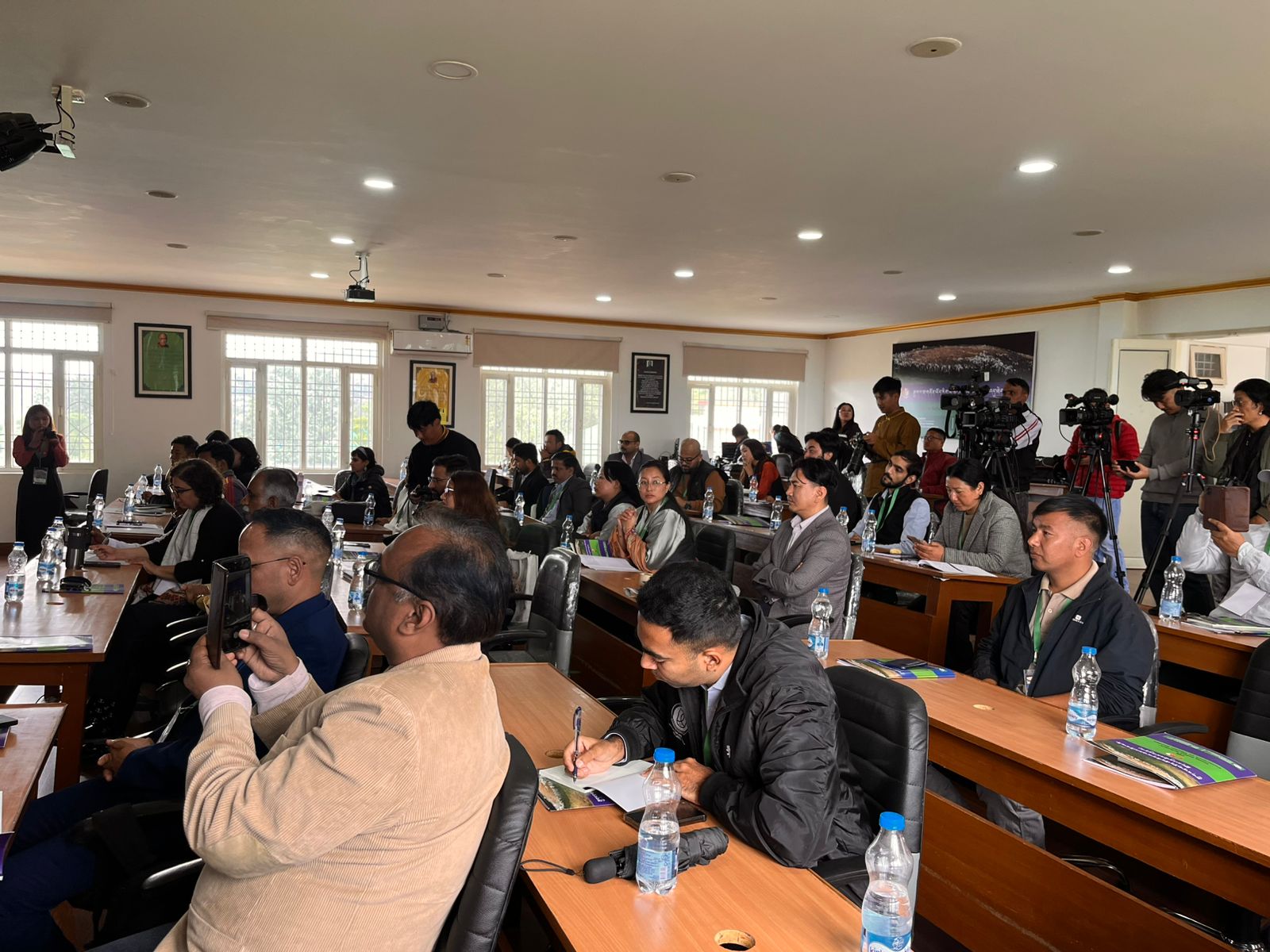 The diversity and depth of these papers underscored the vitality of Tibetan studies in India today. The two-day conference demonstrated how young scholars are not only revisiting history but actively reshaping discourses on identity, ecology, and diplomacy.
As one participant aptly summarized, “Tibet is not a remote question—it is a living mirror to Asia’s moral, cultural, and environmental future.” The conference ended with immense sense of excitement and satisfaction for the organizers, learning and exploration for the participants, and most importantly, the enormous contribution the 7th Young Indian Scholars’ conference on Tibetan Studies will help in shaping India’s understanding of Tibet and Tibetan studies.
Report prepared by Tenzin Nyidon, Intern at Tibet Policy Institute