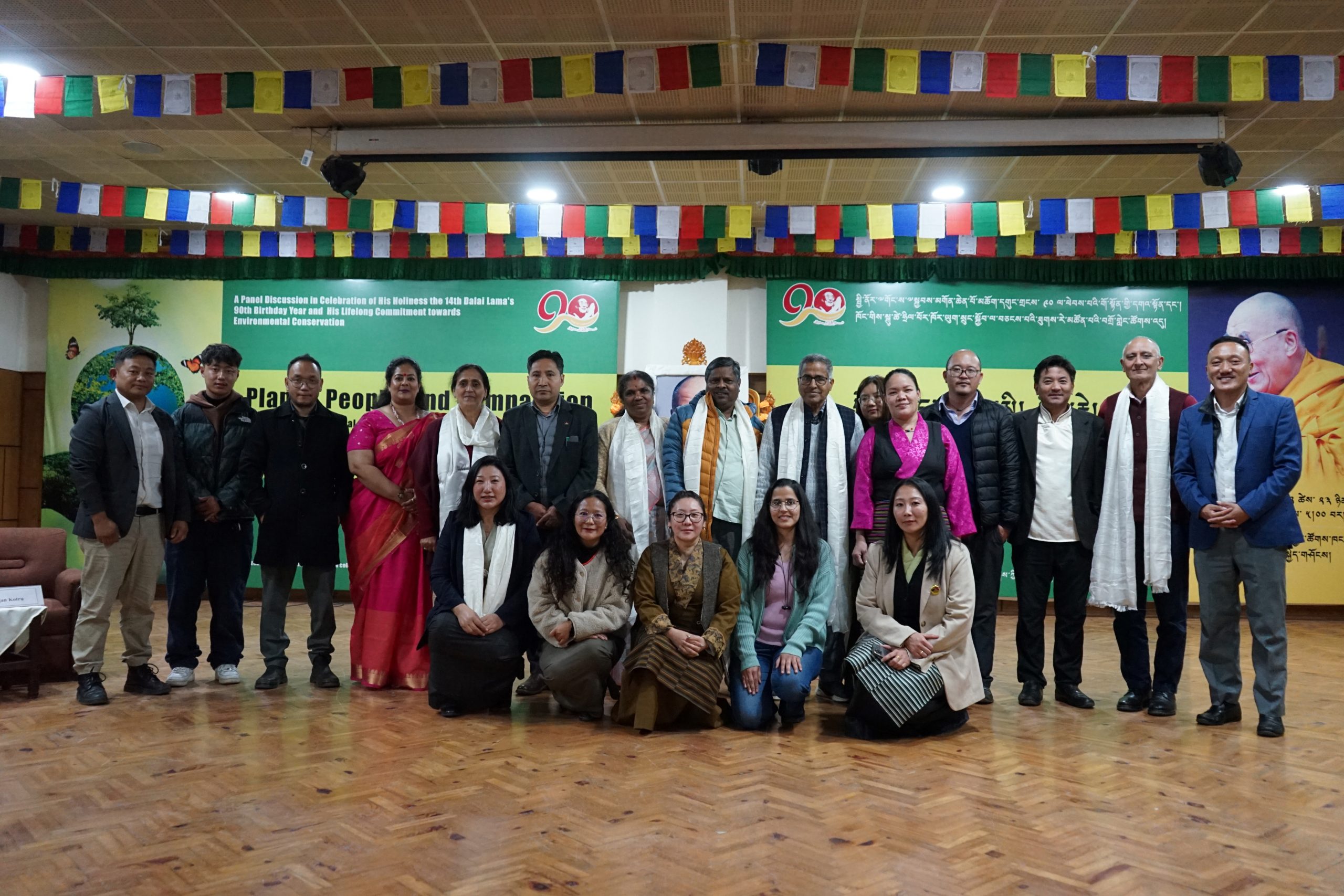
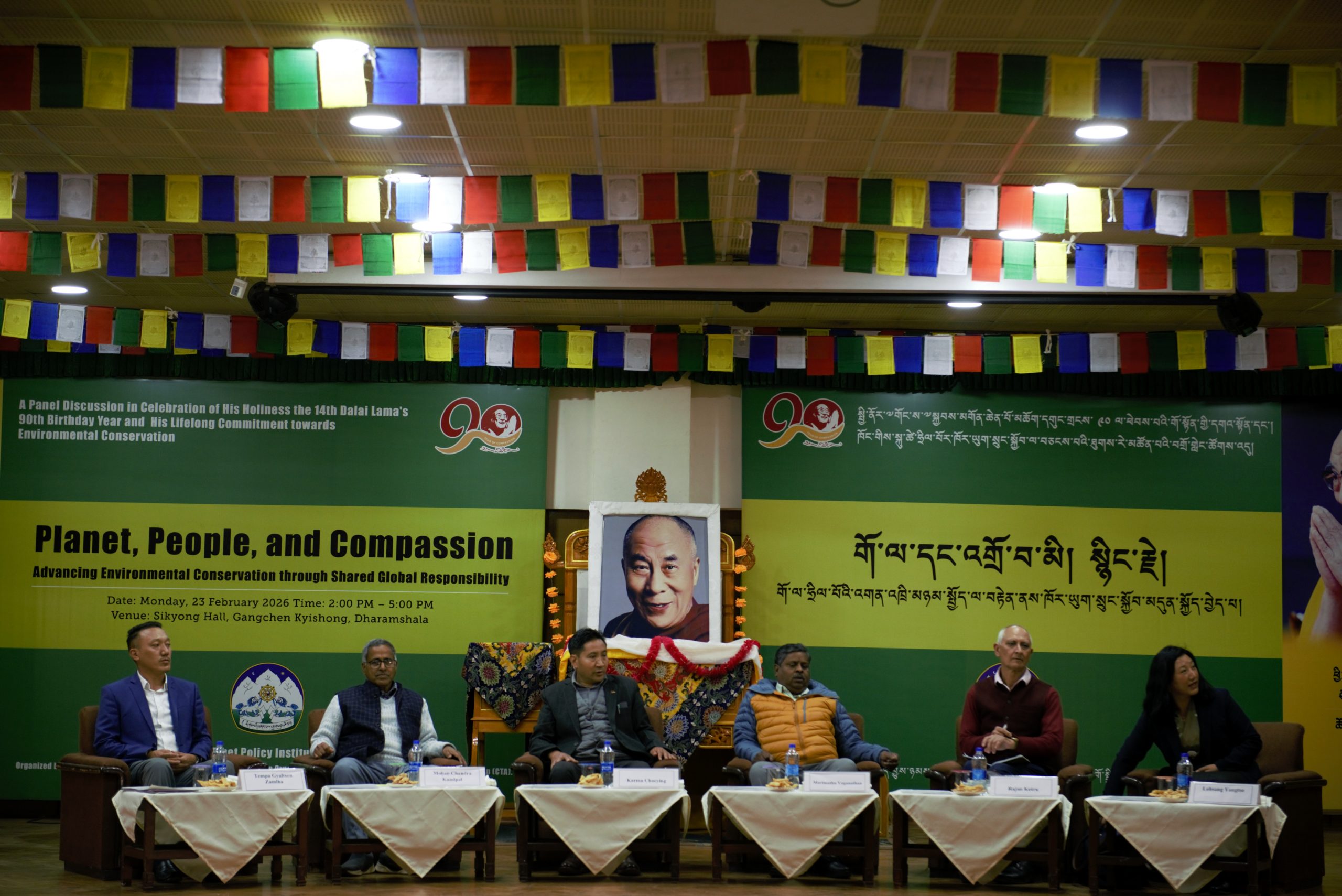
Dharamshala, 23 February 2026 — The Tibet Policy Institute (TPI), in collaboration with the Ghoton Organizing Committee of the Central Tibetan Administration (CTA), successfully convened a high-level environmental panel discussion titled “Planet, People, and Compassion: Advancing Environmental Conservation through Shared Global Responsibility” at Sikyong Hall, Gangchen Kyishong, Dharamshala.
The conference was organized in celebration of the 90th Birth Year of the 14th Dalai Lama and His lifelong commitment to environmental conservation. The concept and background of the conference emphasized that environmental degradation, climate change, and the erosion of traditional ecological systems require not only scientific and policy responses but also ethical leadership rooted in compassion and interdependence.
The conference sought to bring together eminent environmental conservationists, scholars, and grassroots practitioners who have made significant on-the-ground contributions to environmental protection. It aimed to highlight the interconnection between environmental conservation, human well-being, and compassion-driven action, while inspiring younger generations through real-life stories of resilience and impact.
The panel focused on tree plantation, water conservation, sacred landscapes, Tibetan environmental activism, and His Holiness’s environmental vision, reinforcing the theme of shared global responsibility.
The formal program began at 2:00 PM with a keynote address by Karma Choeying, Director of the Tibet Policy Institute and Secretary of DIIR, CTA. Karma Choeying welcomed the distinguished panelists and applauded their passionate efforts toward environmental conservation, particularly at the grassroots level, by creating real on-the-ground impact in their communities and regions. He also highlighted the global ecological importance of the Tibetan Plateau and the need for its protection from both human destruction and the impacts of climate change.
Mr. Karma serves as Secretary of the Department of Information & International Relations (DIIR) and Director of the Tibet Policy Institute under the Central Tibetan Administration. With nearly three decades of distinguished public service, he has held key administrative and diplomatic roles in India and Europe, including Secretary at the Office of Tibet in Brussels. An alumnus of the University of Delhi and the University of San Francisco, he brings extensive governance experience to environmental and policy discussions. He is known for strengthening institutional engagement on Tibet’s environmental, diplomatic, and international relations priorities.
 Session One
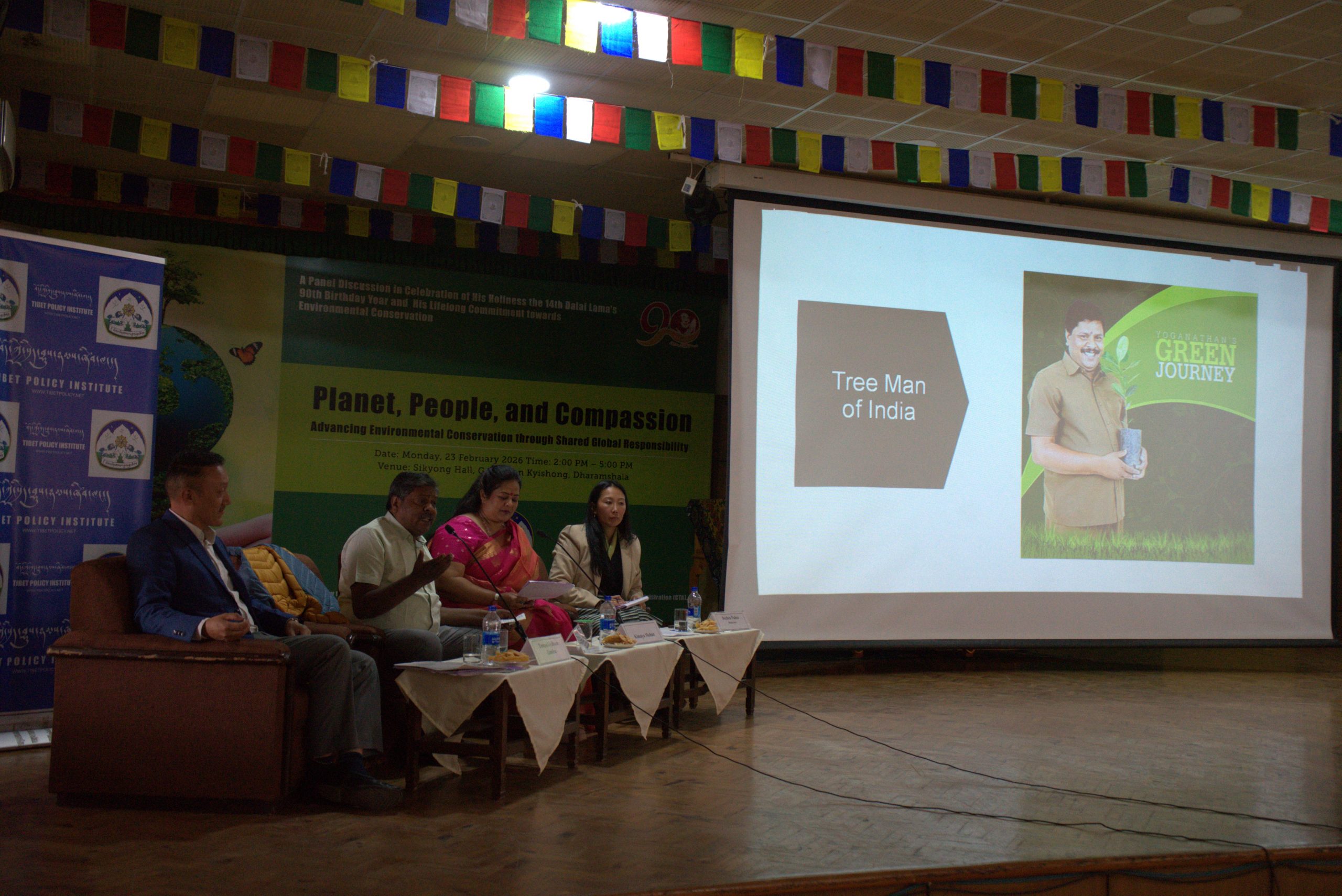
The first session was chaired by Dechen Palmo, an environmentalist and Research Fellow at the Tibet Policy Institute.
Tempa Gyaltsen Zamlha, the first speaker of the session, delivered a presentation titled “His Holiness the 14th Dalai Lama’s Lifelong Commitment to Environmental Conservation,” highlighting His Holiness’s strong passion for and contribution to environmental conservation, as well as the enormous impact of His repeated talks on the oneness of humanity and the need for collective action in bringing millions toward environmental stewardship.
Zamlha is the Deputy Director of TPI and a prominent voice on Tibet’s ecological issues. He has represented Tibetan environmental concerns at major global platforms, including five UN Climate Change Summits such as the Rio Earth Summit in 2012 and the Paris Climate Conference in 2015. His research focuses on the socio-environmental impacts of climate change, mining, and infrastructure development on the Tibetan Plateau. He initiated the Tibet Environment Conference series and the Climate Action for Tibet panels, highlighting the Plateau’s global ecological significance and advocating international cooperation for its protection.
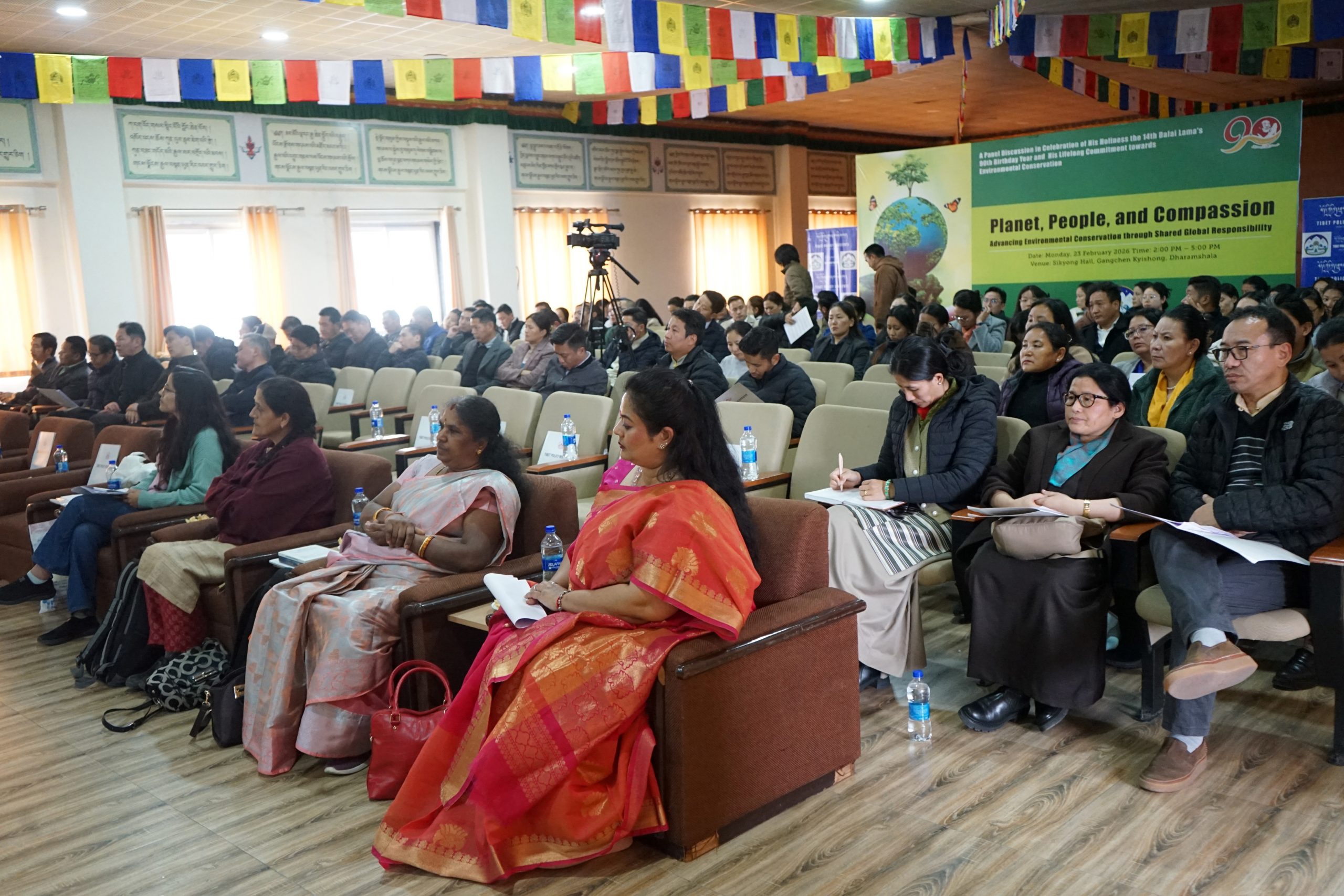 The second speaker of the session, Marimuthu Yoganathan, popularly known as the “Tree Man of India,” spoke on “The Importance of Tree Plantation and Its Contribution to Human Well-Being: A Grassroots Story of Environmental Conservation Works.” Drawing from nearly four decades of experience and over 500,000 trees planted, he illustrated how individual commitment can evolve into a nationwide, community-driven climate movement.
Yoganathan is a grassroots environmentalist and bus conductor with the Tamil Nadu State Transport Corporation. Through his initiative “Uyir Vaza Oru Maram” (Plant a Tree on Your Birthday), he has inspired millions of students toward environmental stewardship. Recognized with numerous national awards, including the Eco-Warrior Award presented by the Vice President of India, he is celebrated for transforming individual commitment into a large-scale community-driven climate action movement.
Marimuthu’s inspiring journey as the “Tree Man of India,” delivered in Tamil, was impactfully translated by Kimaya Mohan, an educator, life coach, and environmental advocate.
 Session Two
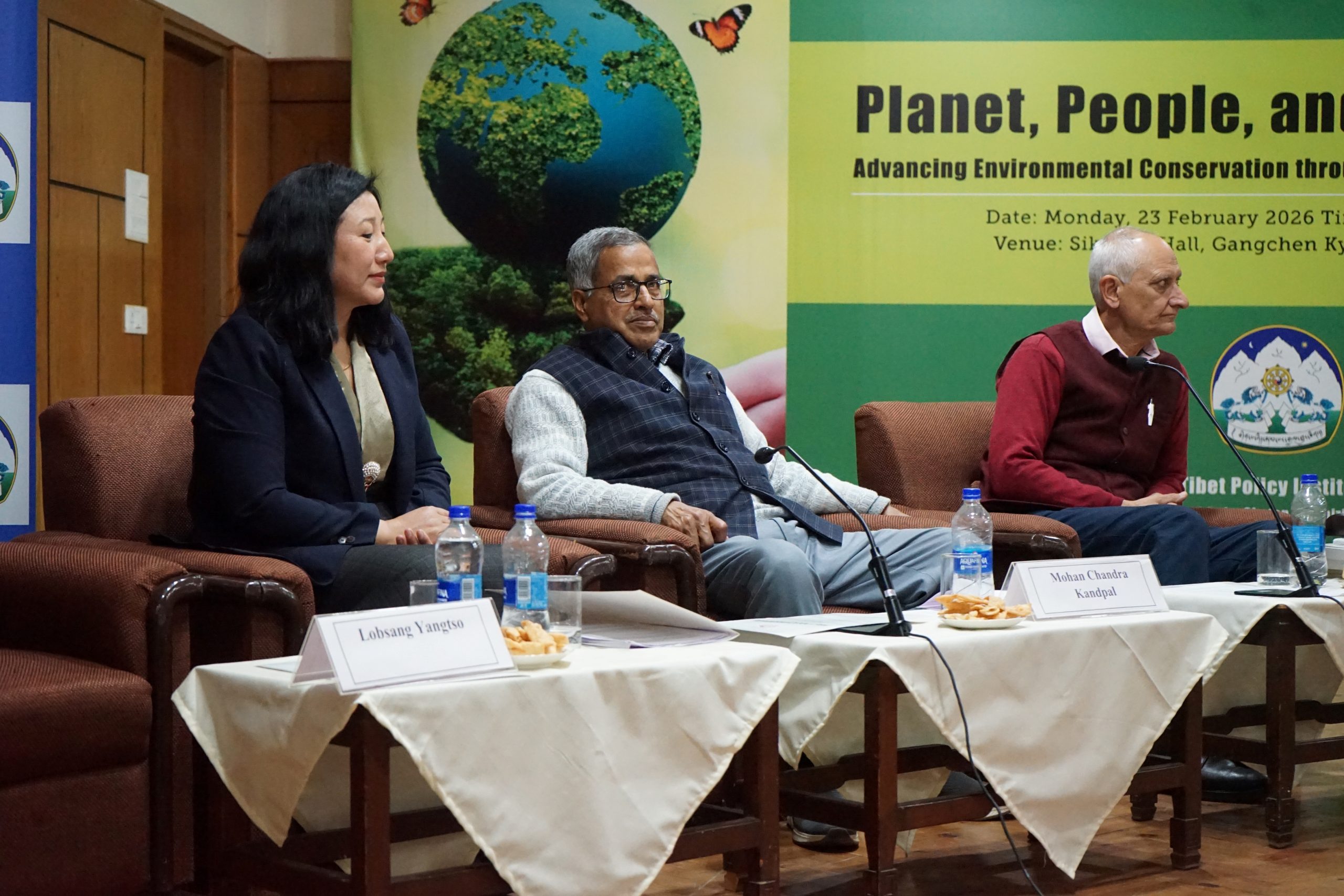
The second session was chaired by Hema Kandpal, an environmentalist and Research Scholar in the Department of Environmental Science at G.B. Pant University of Agriculture and Technology.
The first speaker, Mohan Chandra Kandpal, presented “The Importance of Water Conservation and Its Contribution to Human Well-Being: A Grassroots Story of Environmental Conservation Works,” sharing insights from his “Pani Boao–Pani Uggao” campaign, which has revitalized traditional water systems across Himalayan villages.
Kandpal is a social worker, environmental activist, and chemistry lecturer from Uttarakhand’s Almora district. With over 36 years of grassroots service, he is best known for his pioneering campaign focused on reviving springs, traditional water sources, and river systems in the Himalayan region. His work has rejuvenated water bodies across nearly 40 villages, strengthening local livelihoods and ecological resilience. A recipient of the 6th National Water Award (2024), he is widely respected for mobilizing rural communities toward participatory water governance, forest protection, and sustainable development.
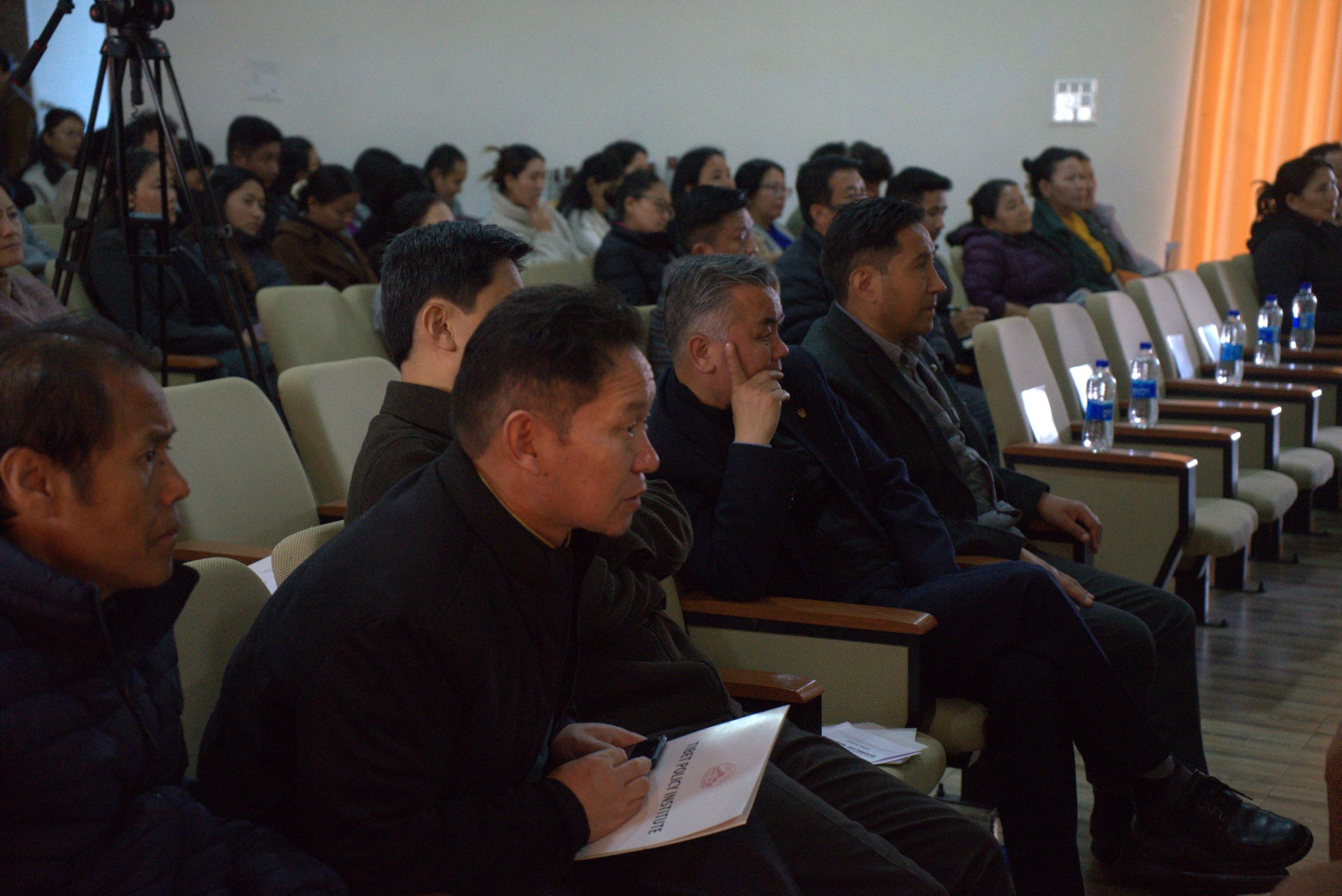 The second speaker, Dr. Rajan Kotru, addressed “The Importance of Sacred Landscapes and Their Role in Environmental Conservation,” emphasizing the integration of ecological science, cultural values, and sustainable governance. He highlighted the social-ecological importance of the trans-Himalayan region and the role of sacred landscapes in environmental conservation.
Dr. Kotru is an internationally recognized environmentalist, sustainability expert, and advisor on environmental governance with over 37 years of global experience across 19 countries. Holding a PhD in Forestry Sciences from Ludwig Maximilian University, Germany, he has led award-winning projects in Himalayan ecosystem restoration and climate resilience. With over 150 publications, he is known for bridging science, policy, and practice to promote climate-smart and eco-friendly solutions for fragile mountain ecosystems.
The third speaker, Dr. Lobsang Yangtso, concluded the session with a presentation titled “Tibetan Environmental Activism in Tibet and Advocacy Efforts in Exile: A Contemporary Overview,” focusing on environmental conservation efforts inside Tibet and advocacy campaigns in exile. She discussed both the successes and the challenges faced by Tibetan environmental scholars and activists.
Dr. Lobsang is a senior Tibetan environmental researcher and activist currently serving with the International Tibet Network in India. She is widely recognized for advocating Tibet’s environmental concerns at global forums, including multiple UN Climate Change Conferences (COP). Her research focuses on climate change impacts in Tibet and the Himalayan region, water security, and transboundary rivers such as the Brahmaputra, Yangtze, and Mekong. Through academic publications and international advocacy, she amplifies Tibetan voices in global climate discourse and works toward inclusive policymaking that recognizes the ecological and geopolitical importance of the Tibetan Plateau.
The event concluded with a vote of thanks by Tempa Gyaltsen Zamlha and a ceremonial presentation of Khada to the panelists. The Master of Ceremonies was Ms. Dhondup Wangmo, environmentalist and Research Fellow at the Tibet Policy Institute.
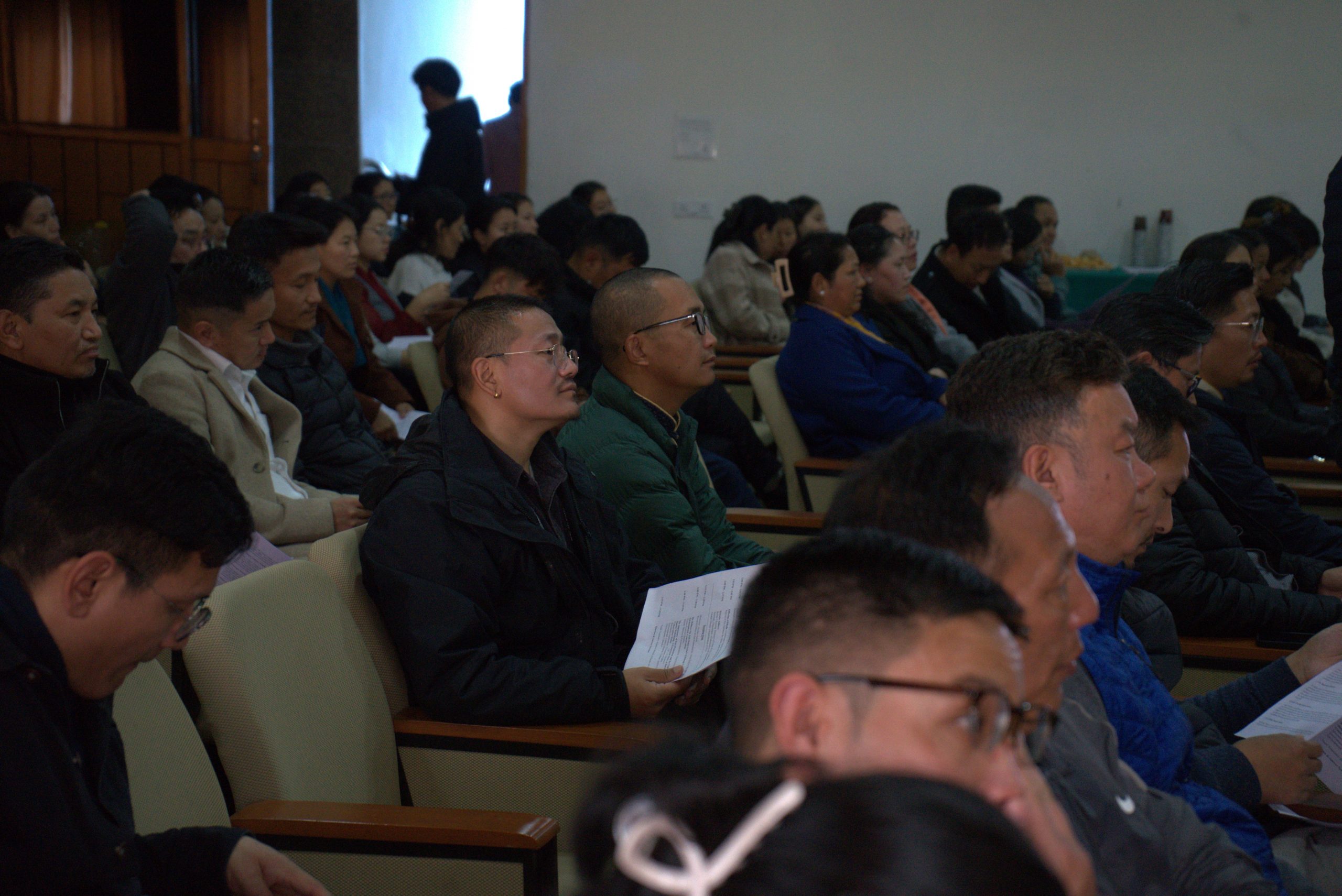 Audience with His Holiness and Official Function
Besides the conference, they panelist also engage in other activity during their journey to Dharamshala. On the morning of 22 February 2026, the visiting environmental conservationists and scholars were granted a special audience with His Holiness the 14th Dalai Lama at His residence in McLeod Ganj. Following the audience, they attended the official function marking the 86th Anniversary of His Holiness’s Enthronement at the Tsulakhang Temple in McLeod Ganj.
Symbolic Tree Plantation
As part of the environmental observances, the delgation participated in a symbolic tree plantation drive along Lingkor Road on 22 February with Janchub Dorji, a voluntary Tibetan social worker who has created a small park along the Lingkor route, reinforcing the conference’s message that grassroots action remains central to global environmental sustainability.
On the morning of 23 February, the delegates visited the Central Tibetan Administration in Gangkyi. They held meetings with the Honorable Deputy Speaker of the Tibetan Parliament-in-Exile, followed by a meeting with the Honorable Sikyong (Political Leader) of the CTA. The delegation also visited the Tibet Policy Institute for institutional interaction.
Conclusion
The conference successfully connected ethical leadership with grassroots environmental action. By bringing together practitioners of tree plantation, water conservation, sacred landscape protection, and Tibetan environmental advocacy, the event reaffirmed that compassion-driven environmental stewardship is essential for safeguarding the planet.
Through meaningful dialogue, institutional engagement, and symbolic environmental activities, the program demonstrated that when compassion guides policy and action, environmental conservation becomes not only a responsibility but a shared moral commitment for humanity’s sustainable future.